

Sightseeing in Marrakesh
The Dar Mawati Marrakech is the perfect location for holidays and sightseeing in Marrakesh. All important and popular sights of the region such as the Royal Palace, the Palais de la Bahia, the Palais El Badii, the royal garden Jardins d'Agdal, the Koutoubia Mosque in Marrakech, the famous night market and the shopping centers of the region can be reached from here in a short time.
Marrakech, also known as the "Red City" or "Pearl of the South", is one of Morocco's four royal cities alongside Fès, Meknès and Rabat. Once the capital of the Moroccan empire, the city is located in a plain north of the High Atlas Mountains, surrounded by the three rivers Tensift, Oued Rheraya and Oued Issyl. Marrakesh is still an important economic and cultural centre with many markets, mosques, gardens and palaces. One of Marrakesh's most famous sights is the medina, a densely built-up, walled medieval city from the Berber period. Among its labyrinthine alleyways are bustling souks (markets) selling traditional clothing, pottery, spices, oriental handicrafts and jewellery. The city's symbol is the Moorish minaret of the 12th century Koutoubia Mosque, which can be seen for kilometres. The medina was declared a UNESCO World Heritage Site in 1985 together with the Agdal Gardens and the Menara Gardens. In addition to the Koutoubia Mosque from 1158, the Kasbah from the 12th century and the Medersa Ben Youssef from the 14th century are among the other important sights.
One of Marrakesh's main attractions is the ‘Djemaa el Fna’, the medieval market and executioner's square, today a lively place for oriental storytellers, snake charmers, monkey keepers and jugglers. In the new town is the botanical garden ‘Jardin Majorelle’, which impresses with its variety of plants and unique architecture. The most important museums in Marrakesh include the ‘Musée de Marrakech’ with its collection of art, ceramics and coins, the archaeological ‘Islamic Art Museum’ and the ‘Dar-Si-Said’ museum with its exhibits on Berber art and culture. Other museums worth a visit include the House of Photography, the Museum of Telecommunications, the Palmeraie Museum of Contemporary Art, the Musée de l'Art de Vivre, the Musée Boucharouite, the Musée Tiskiwin, the Yves Saint Laurent Museum and the Bahia and El Badi palaces. The first museum for contemporary art in Morocco, the Museum of African Contemporary Art Al Maaden (MACAAL), opened in Marrakech in 2018.
We are happy to organise sightseeing tours for you with reputable, experienced guides!
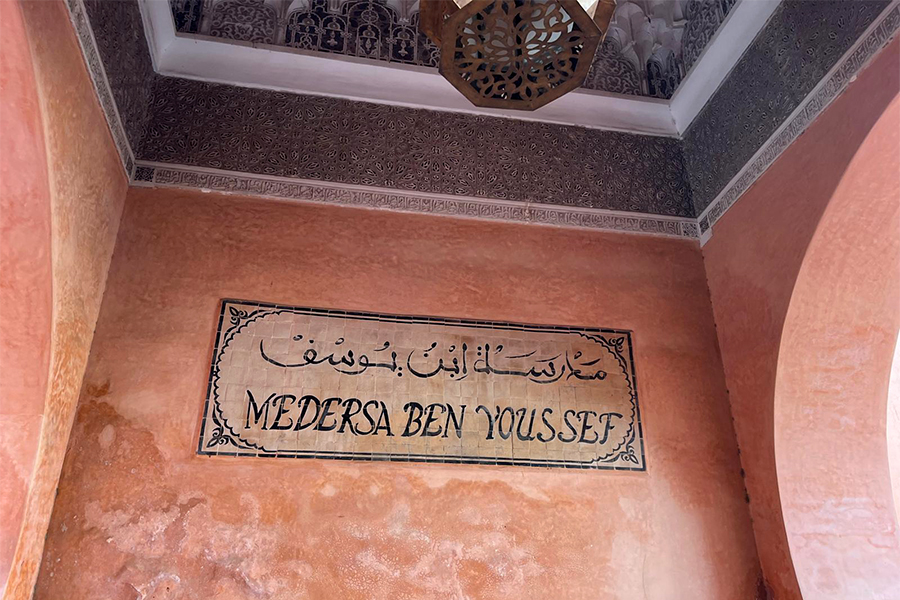
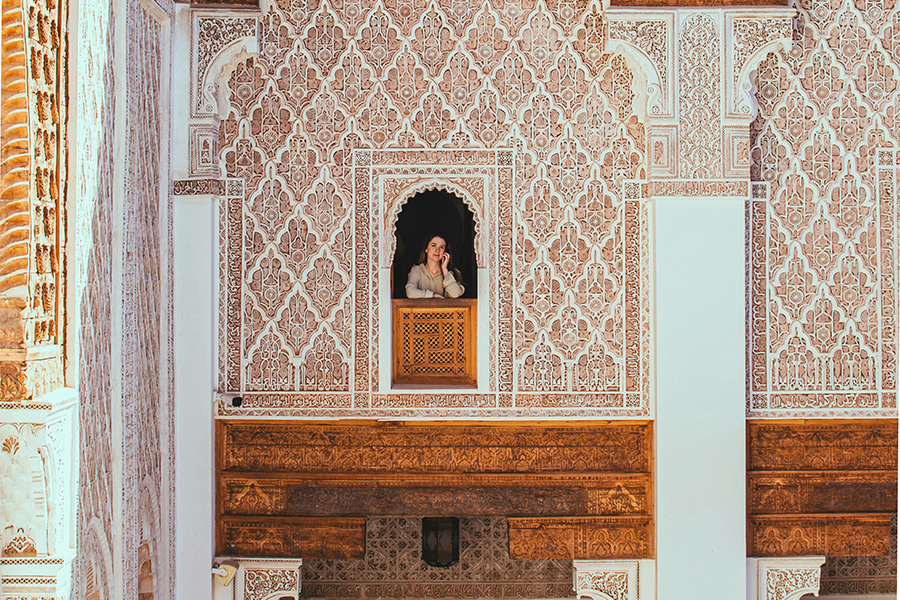
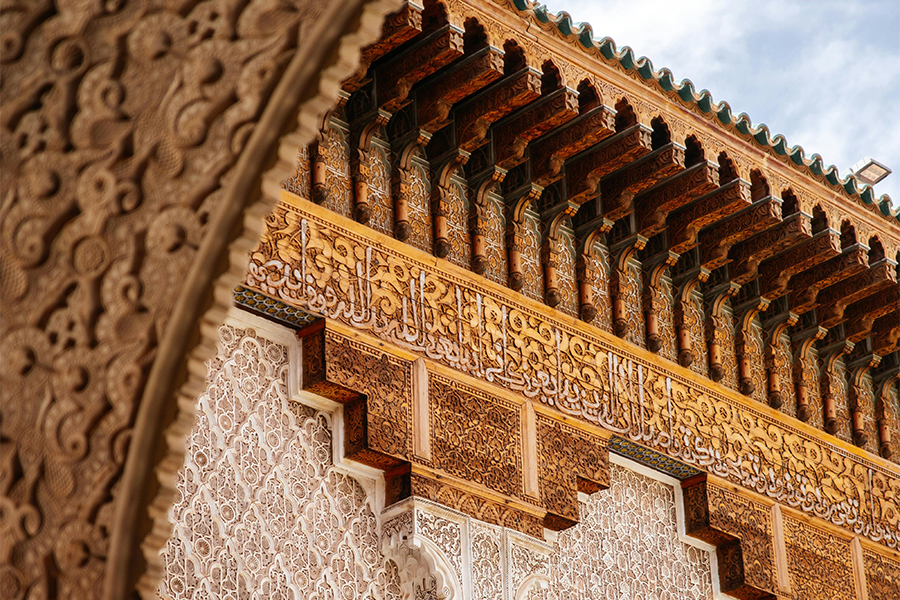
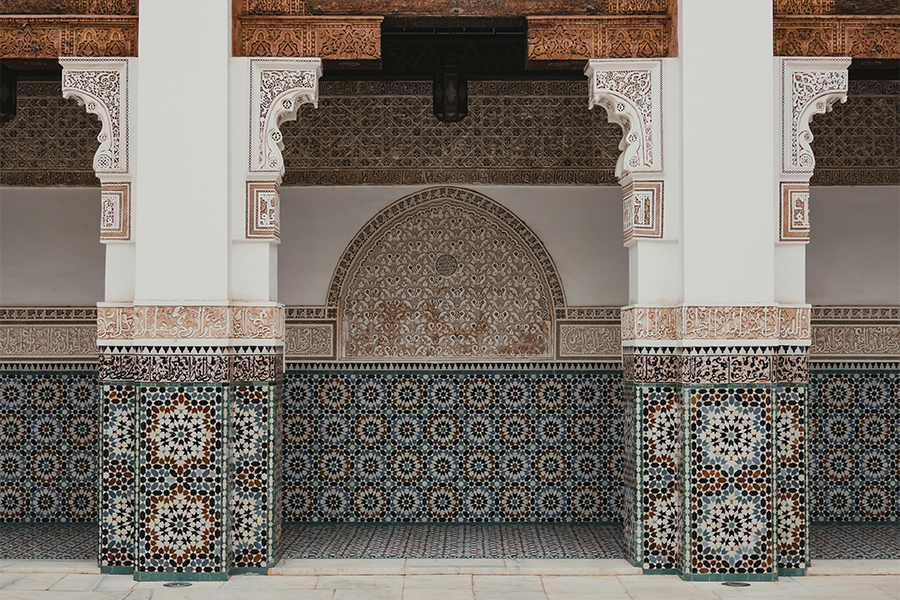
Medersa Ben Youssef
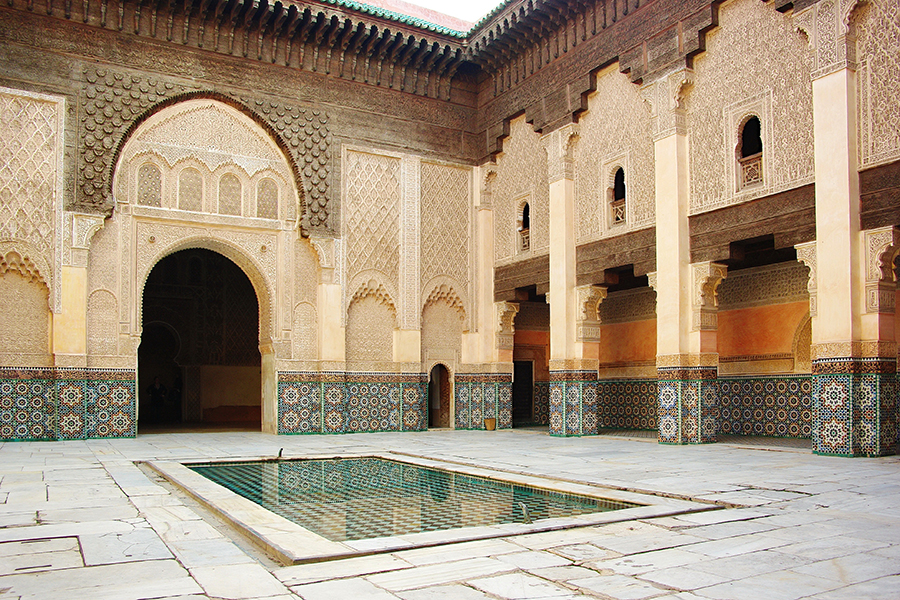
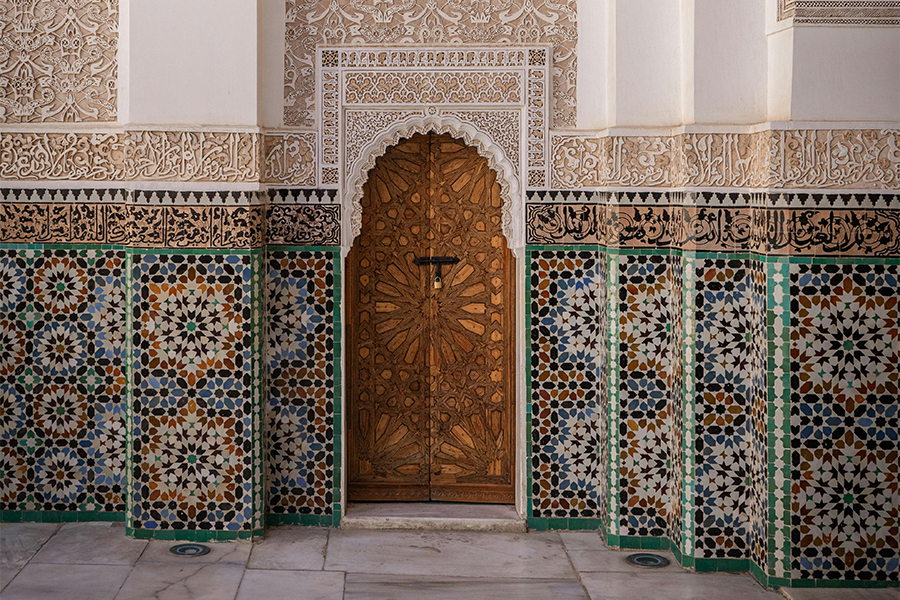
The Medersa Ben Youssef in Marrakech, built in the 16th century during the Saadian dynasty, was one of the largest theological schools in North Africa. Known for its exquisite architecture, the madrasa features intricate mosaics, carved cedar wood, and detailed stucco work. It once housed over 900 students in small rooms arranged around a central courtyard with a fountain. The madrasa was closed in 1960 and is now a museum, offering a glimpse into Morocco's educational and religious history. It remains one of the city's most important landmarks.
Jemaa el-Fna Square
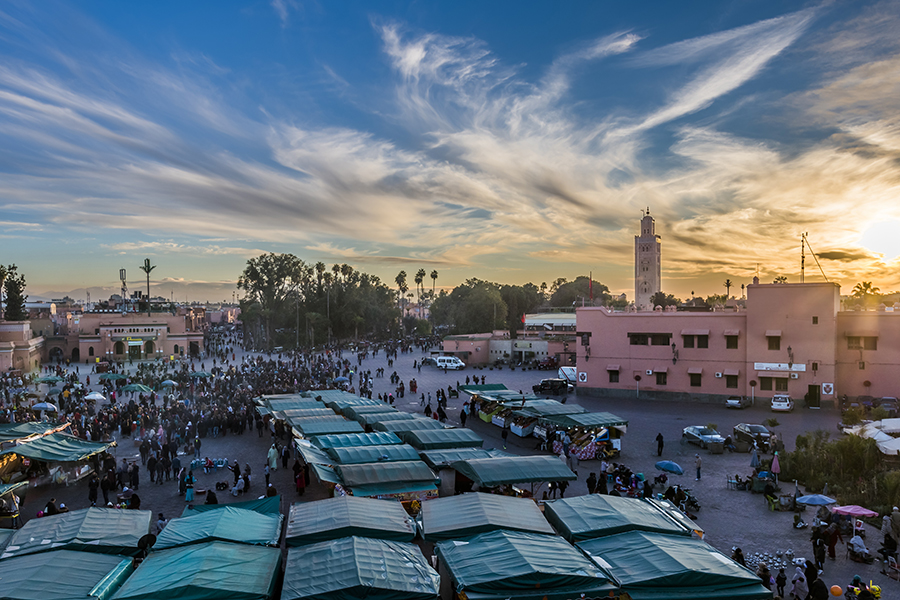
Jemaa el-Fna is Marrakech's most famous square, located at the heart of the old city (medina). It comes alive with activity, offering an exciting atmosphere filled with street performers, snake charmers, musicians, and local food stalls. During the day, it’s a bustling marketplace, but at night, it transforms into an open-air dining area where visitors can taste traditional Moroccan dishes. The square has been recognized by UNESCO as an Intangible Cultural Heritage due to its vibrant cultural significance and role in preserving traditional Moroccan life.
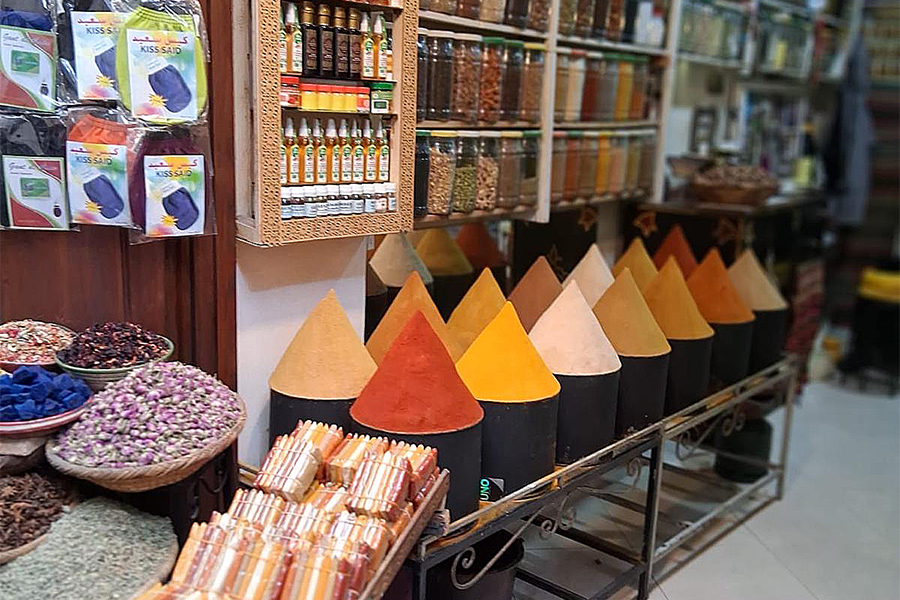
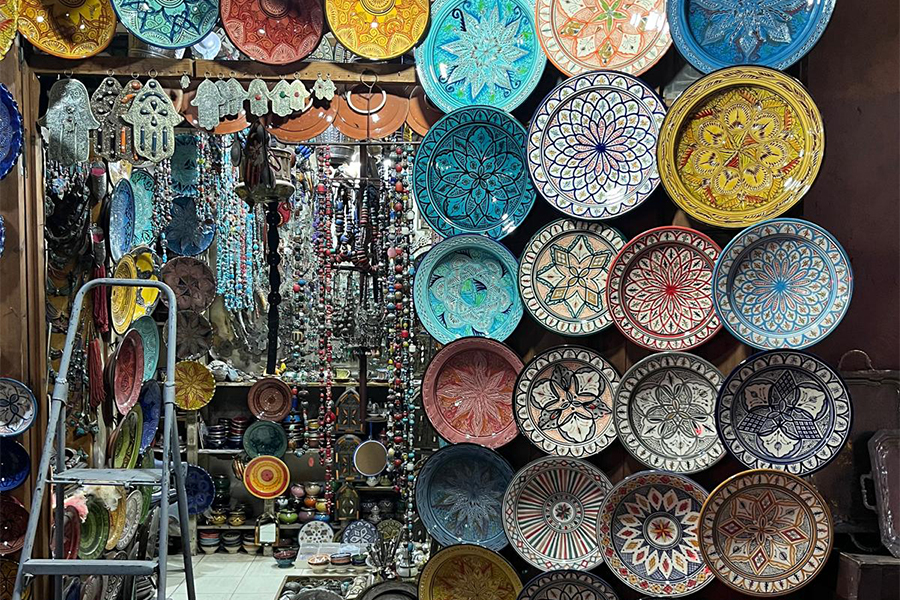
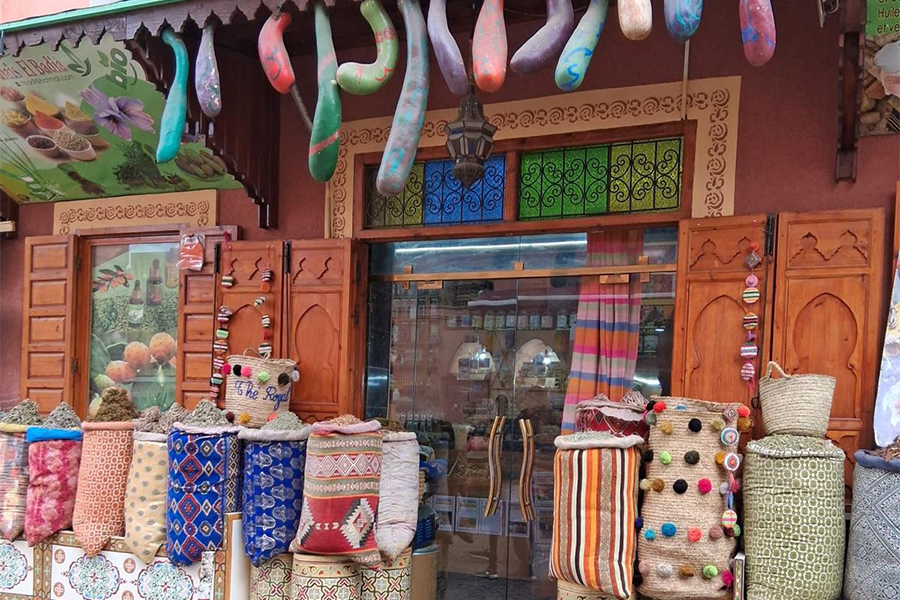
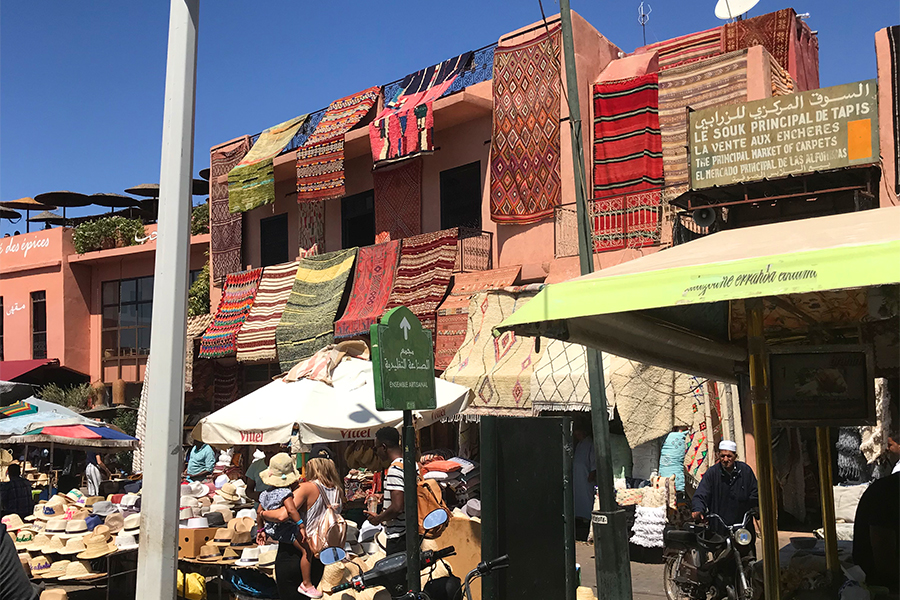
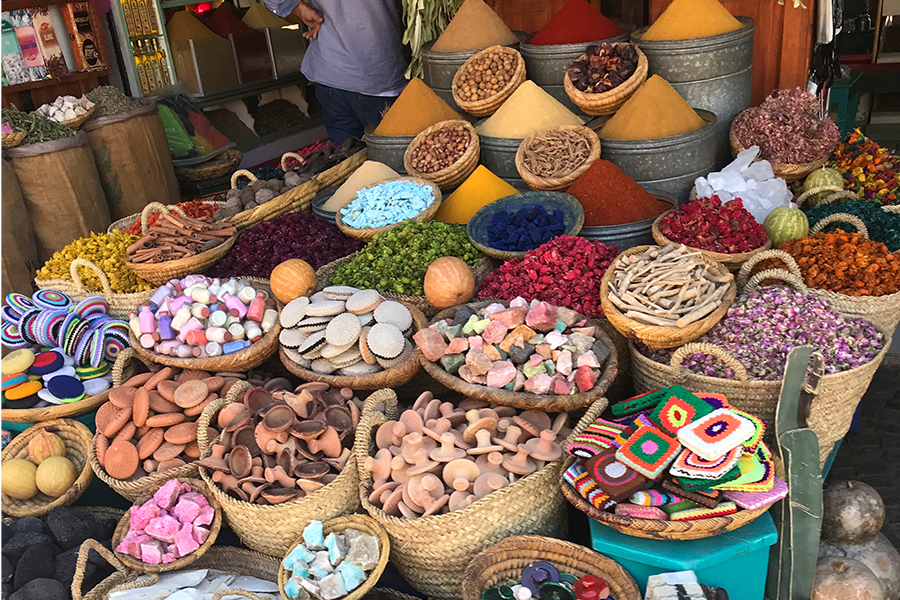
The Souk of Marrakesh
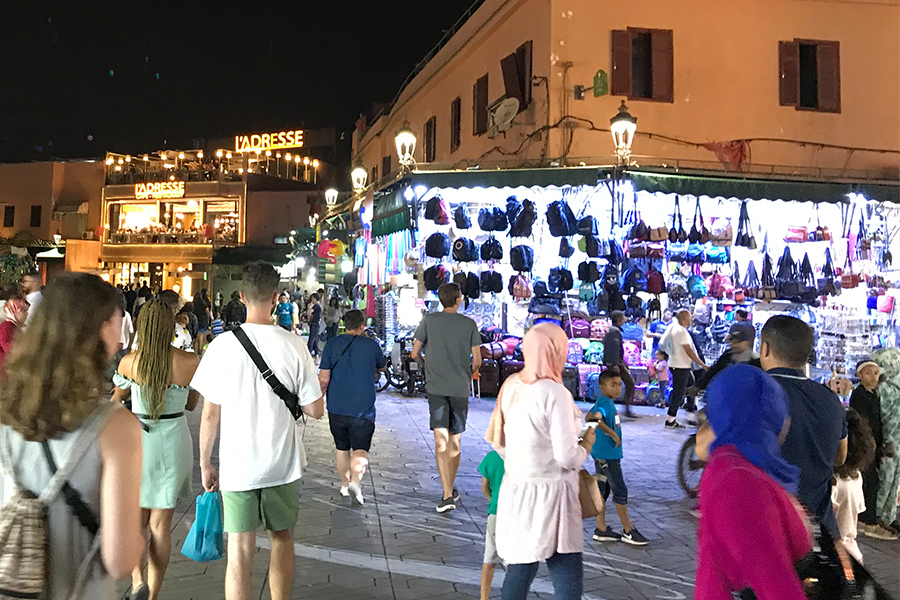
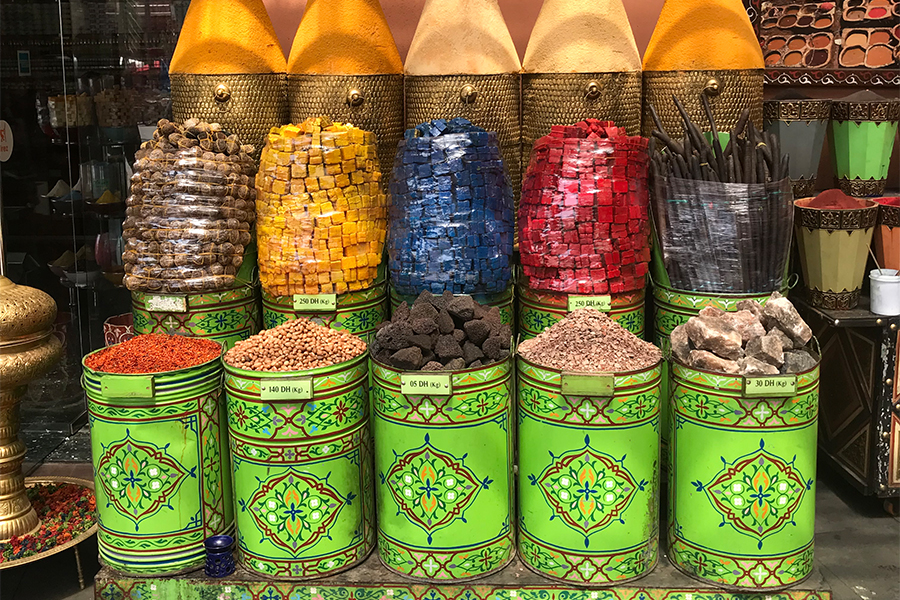
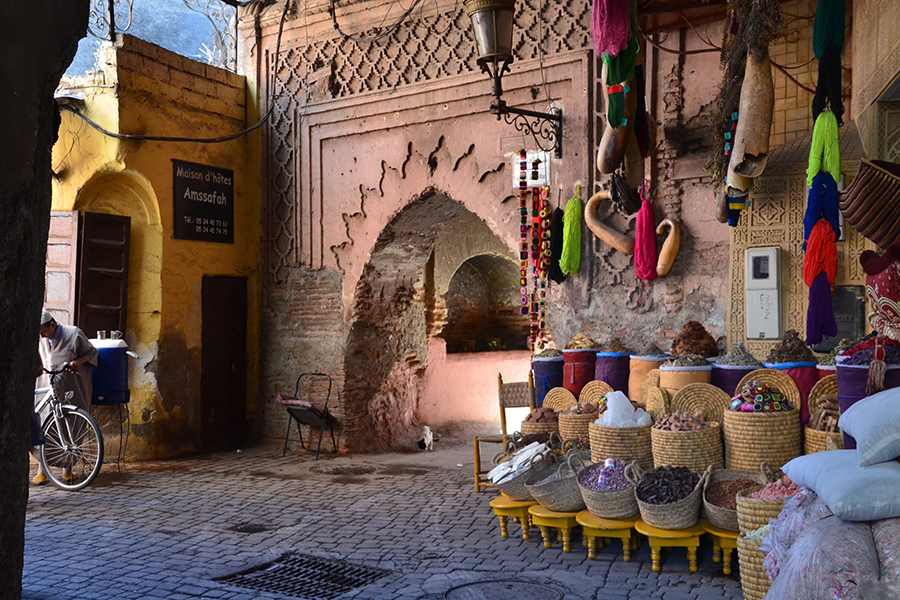
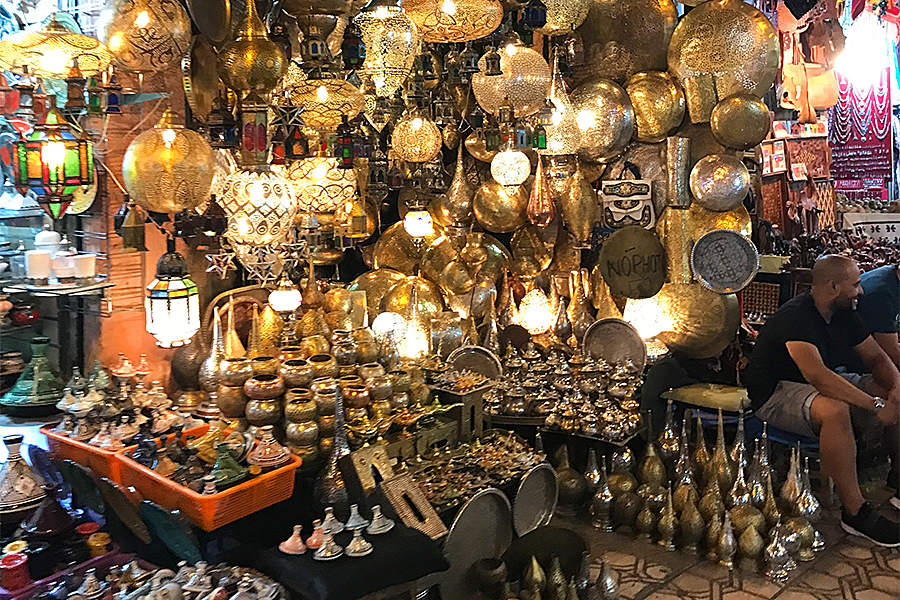
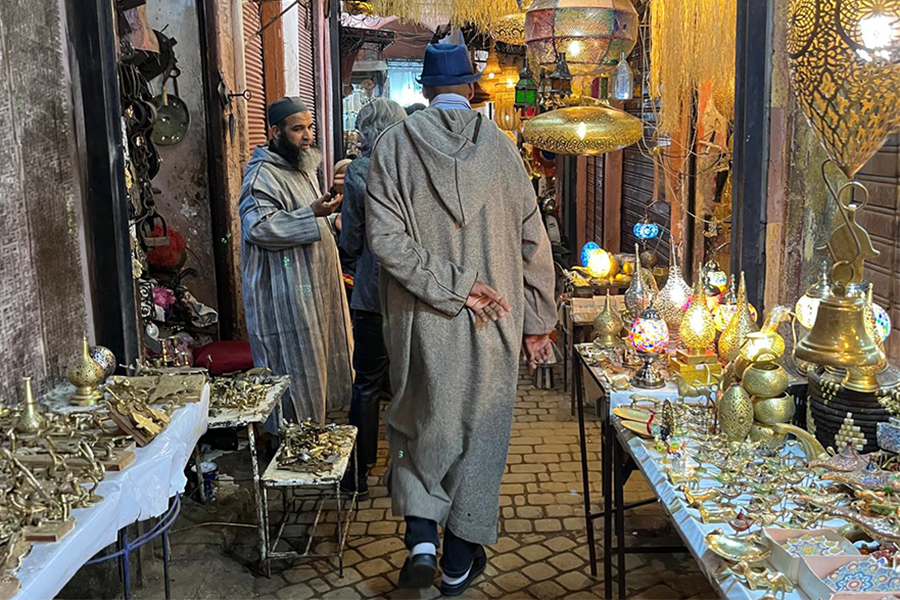
The souks of Marrakech invite visitors to step into a world of colors, scents, and centuries-old traditions. From lively markets to hidden artisan corners, these vibrant places reveal the true spirit of the city. Visitors can discover handcrafted treasures, fragrant spices, and the timeless rhythm of local life, making every stroll through a souk a unique and memorable experience that many travelers continue to speak about long after their visit to Marrakech.
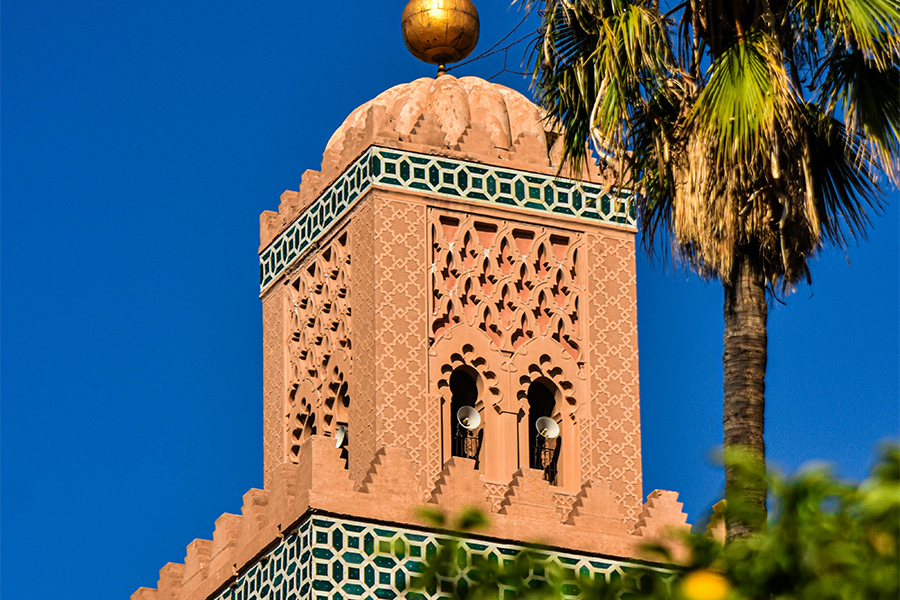
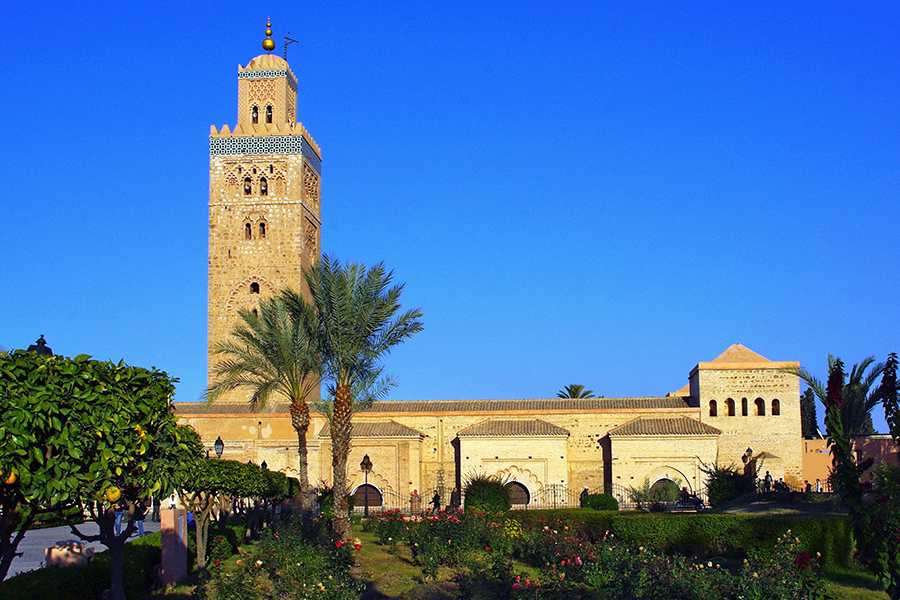
Koutoubia Mosque
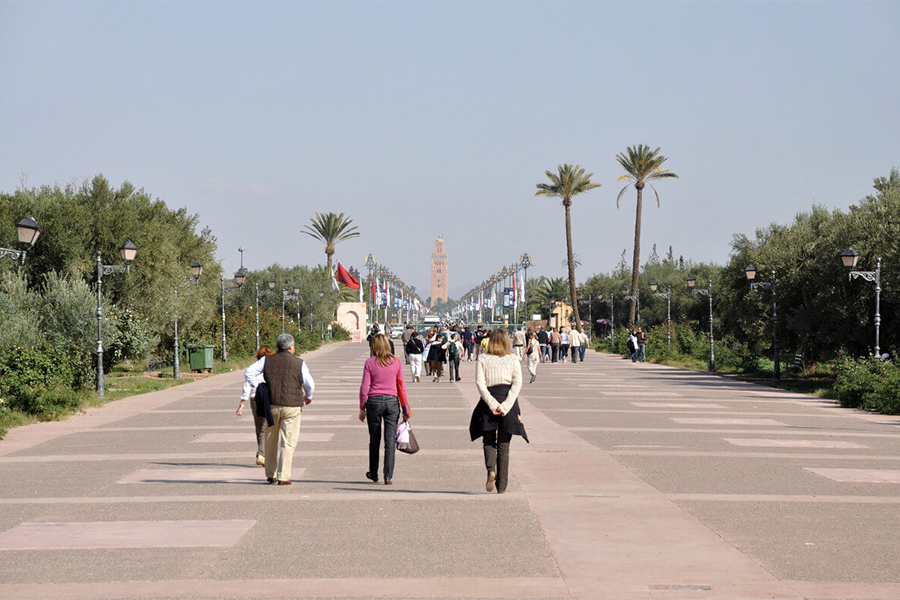
The Koutoubia Mosque is one of Marrakech’s most iconic landmarks, known for its impressive minaret that rises 77 meters above the city. Built in the 12th century during the reign of the Almohad dynasty, it is the largest mosque in Marrakech and a masterpiece of Islamic architecture. The mosque's minaret is a symbol of the city and has influenced the design of other famous minarets, such as the Giralda in Seville. While the mosque itself is not open to non-Muslim visitors, its striking architecture and surrounding gardens make it a must-see for anyone visiting the city.
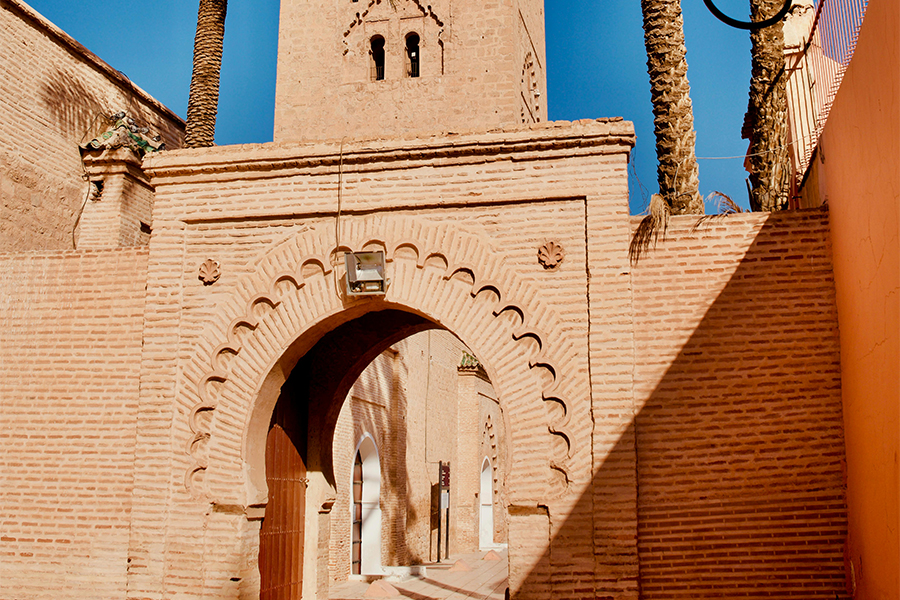
Bahia Palace
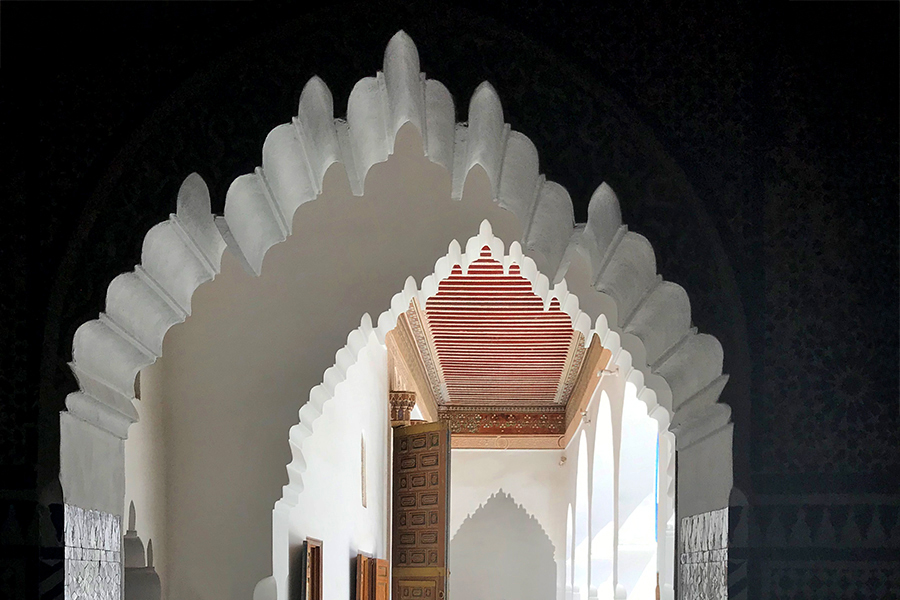
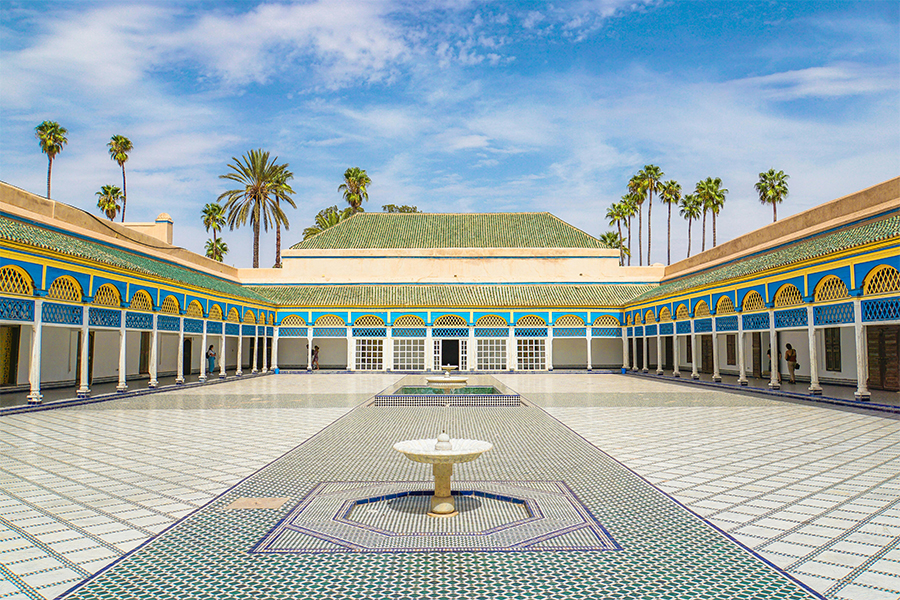
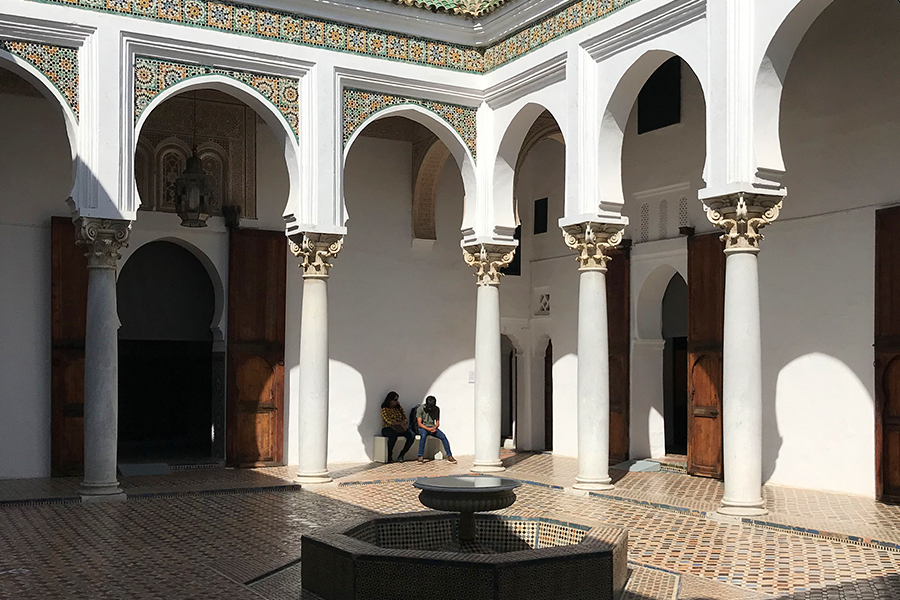
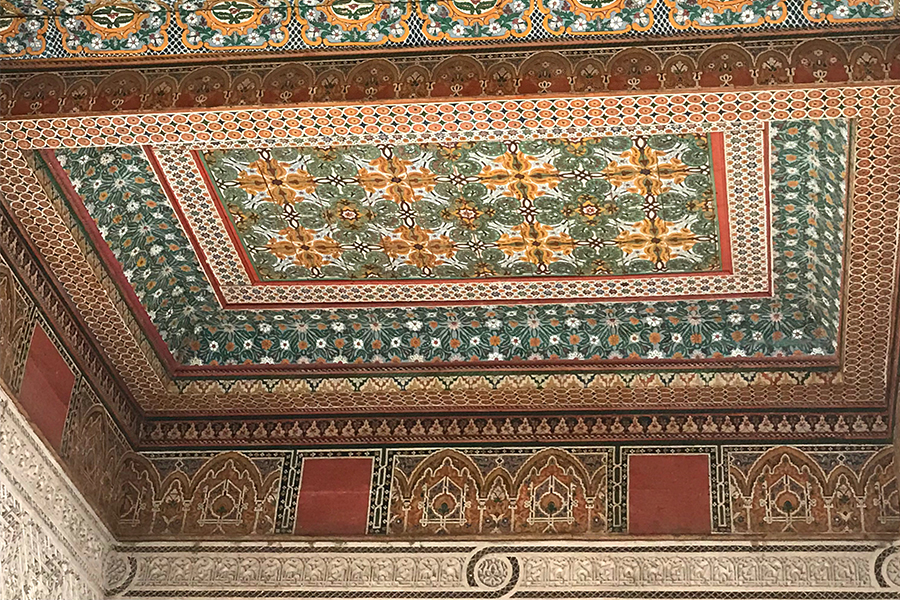
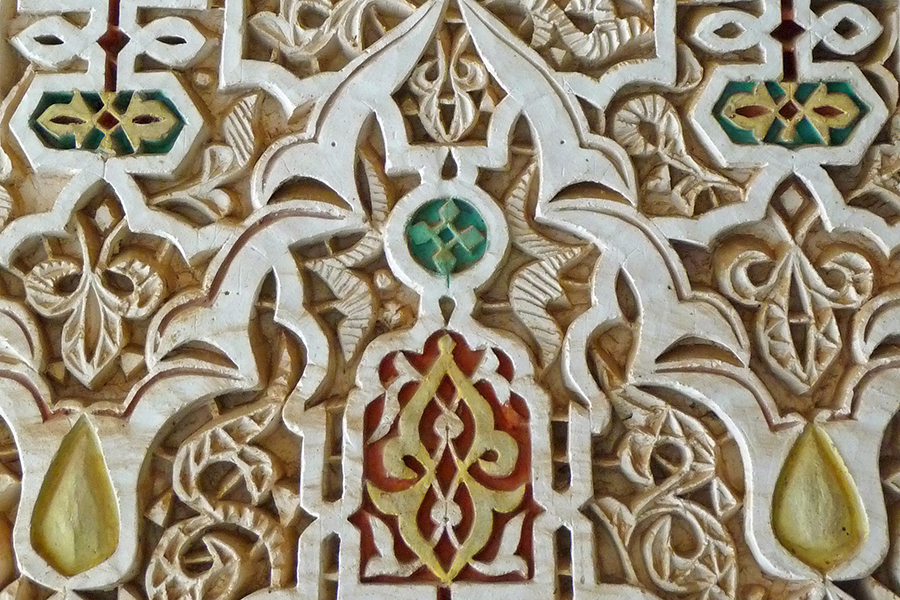
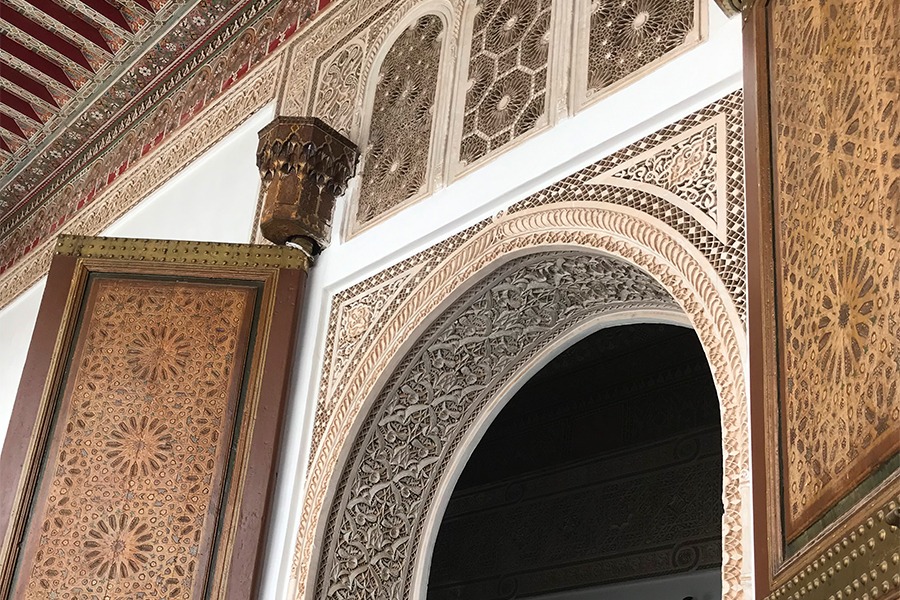
The Bahia Palace in Marrakech is a stunning example of Moroccan architecture and design, built in the late 19th century. This grand palace was constructed for the grand vizier of the Sultan, Ba Ahmad, and was intended to be the most magnificent palace of its time. The palace is famous for its beautiful courtyards, intricate stucco work, painted wooden ceilings, and peaceful gardens. Visitors can explore the spacious rooms, decorated with vibrant tiles and intricate carvings, and experience the serene atmosphere that reflects the opulence of Morocco’s royal history.
El-Badi Palace
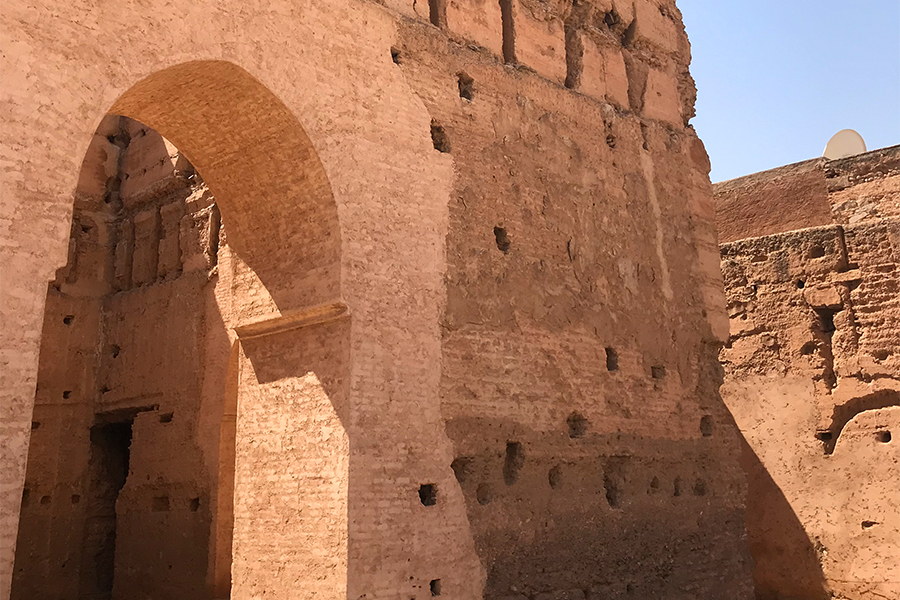
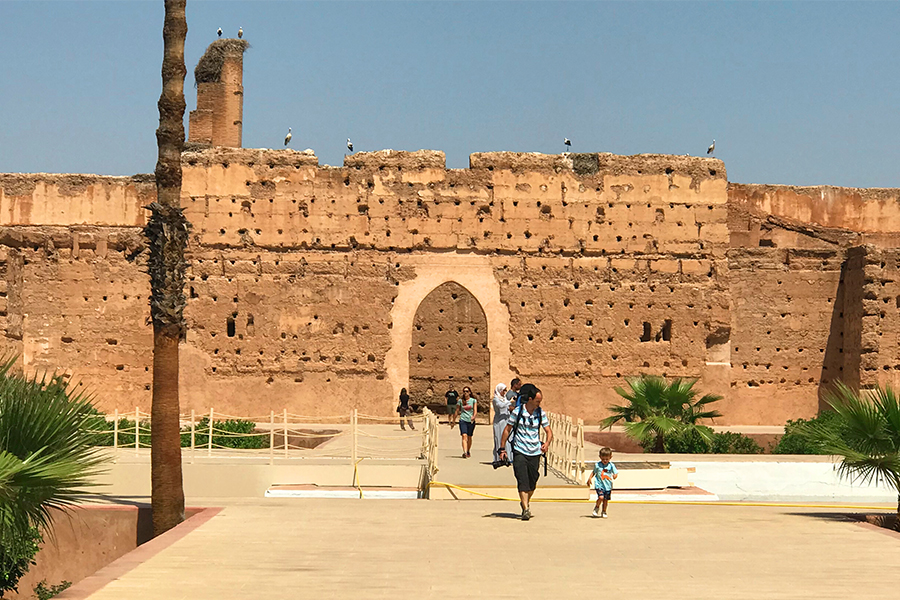
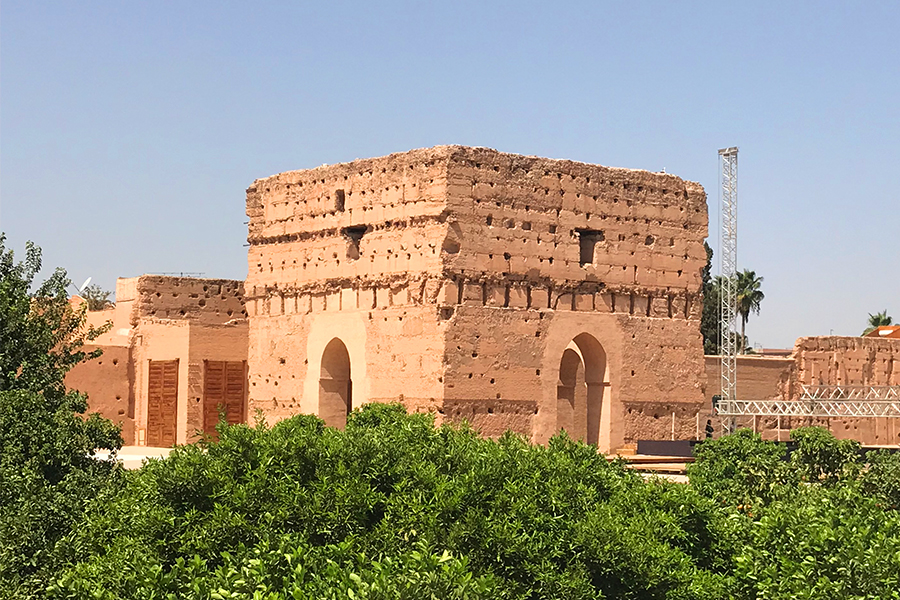
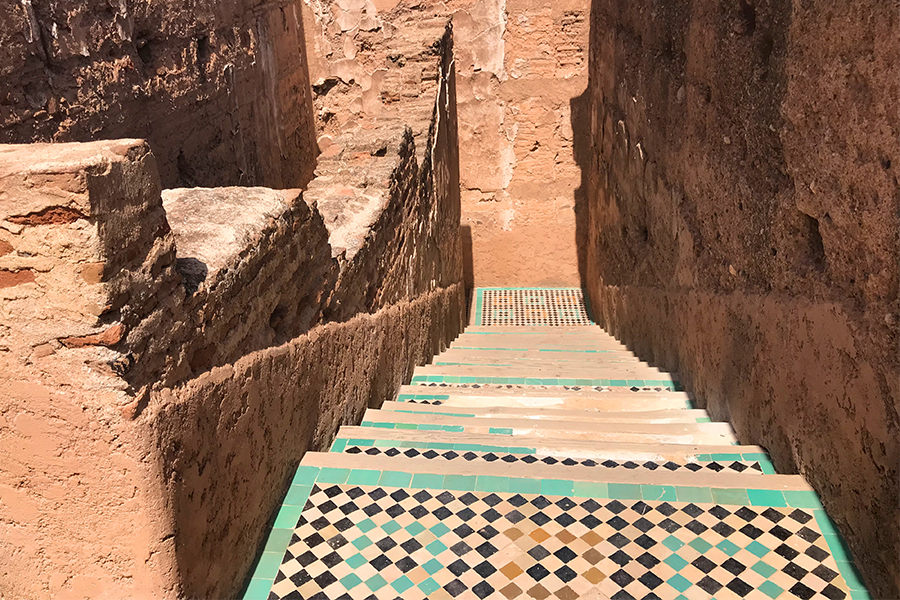
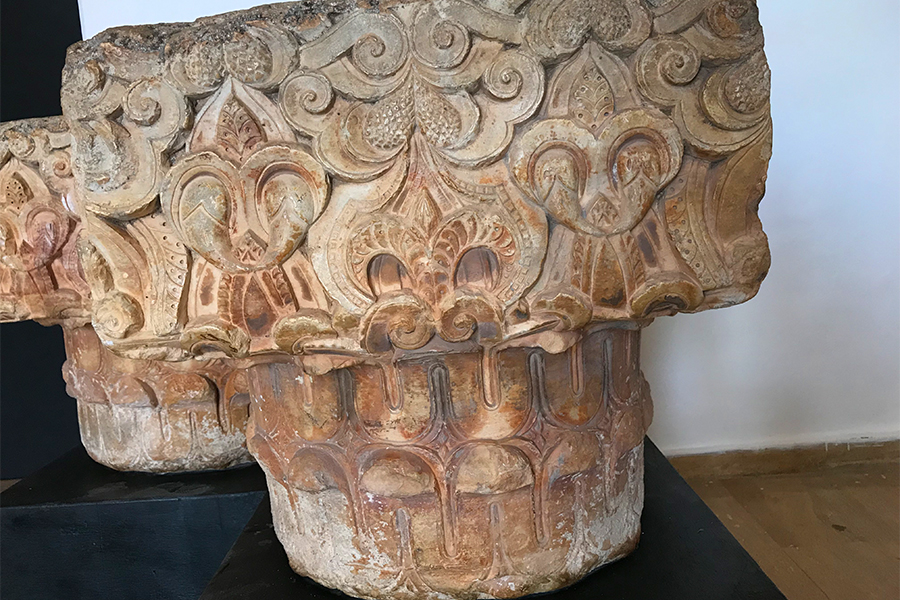
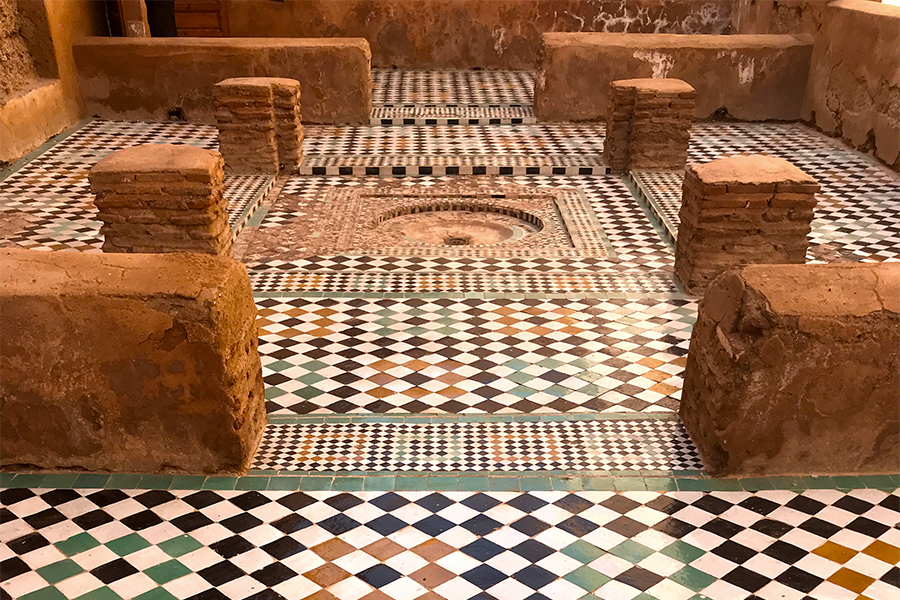
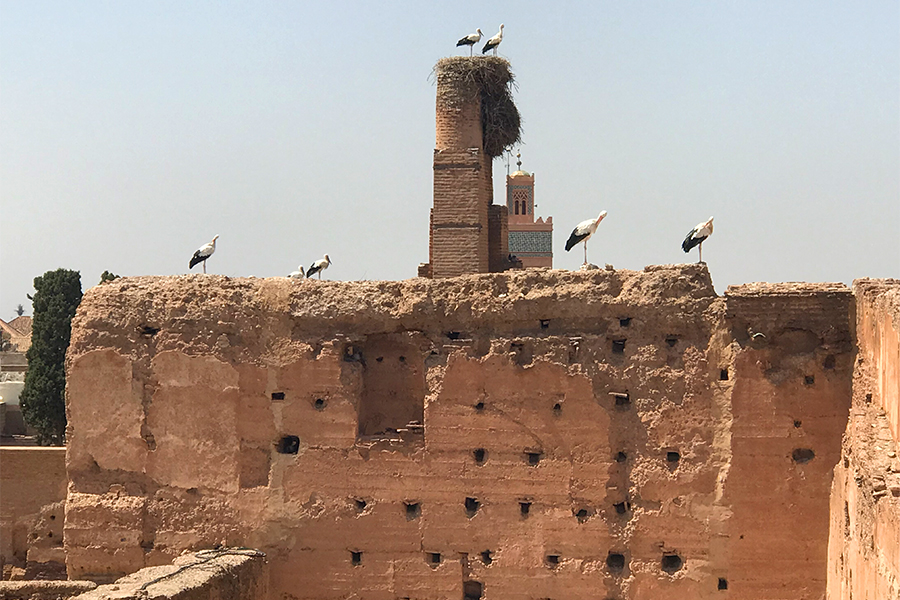
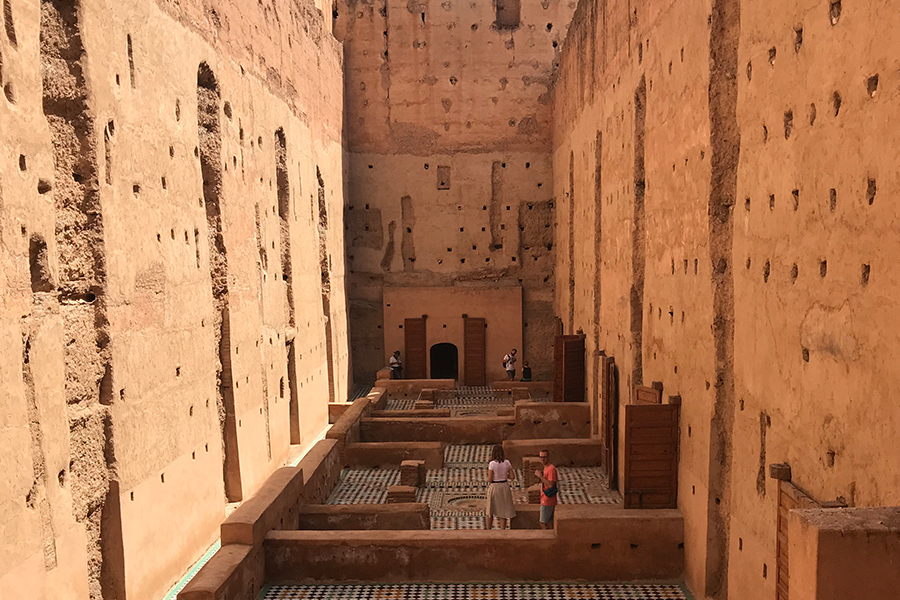
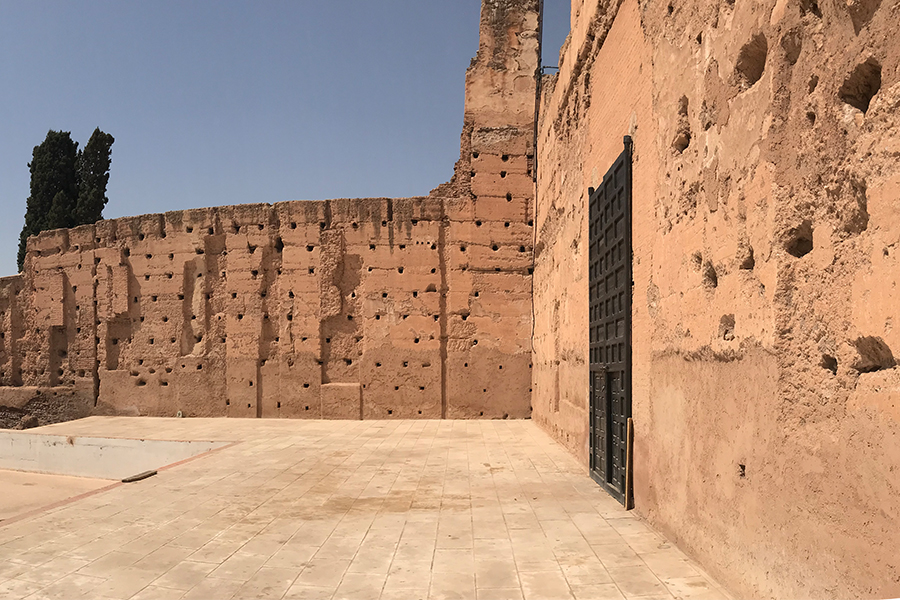
The El-Badi Palace in Marrakech, built in the late 16th century during the reign of the Saadian dynasty, is a remarkable example of Moroccan architecture and grandeur. Once one of the most magnificent palaces in the Islamic world, it was constructed by Sultan Ahmad al-Mansur to celebrate his victory in the Battle of the Three Kings. Although much of the palace is now in ruins, visitors can still admire its impressive layout, including vast courtyards, beautiful fountains, and remnants of intricate tile work. The palace also offers stunning views of the city and the surrounding Atlas Mountains.
Agdal Gardens – Historic Royal Gardens of Marrakech
Located just south of the Royal Palace, Agdal Gardens are among the oldest and most emblematic historic gardens in Marrakech, dating back to the 12th century and the Almohad dynasty. Originally designed to supply the royal court with fruit and olives, the gardens today span hundreds of hectares filled with olive trees, orange groves, and large water reservoirs. Visiting the Agdal Gardens offers a peaceful escape from the Medina and a unique insight into Marrakech’s imperial heritage, perfect for sightseeing, photography, and relaxing walks.


Jardin Majorelle
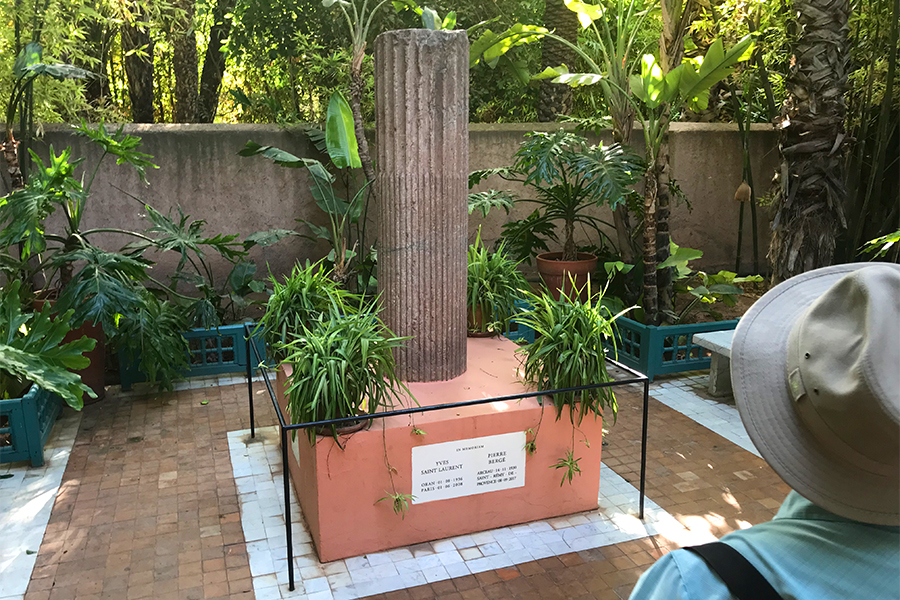
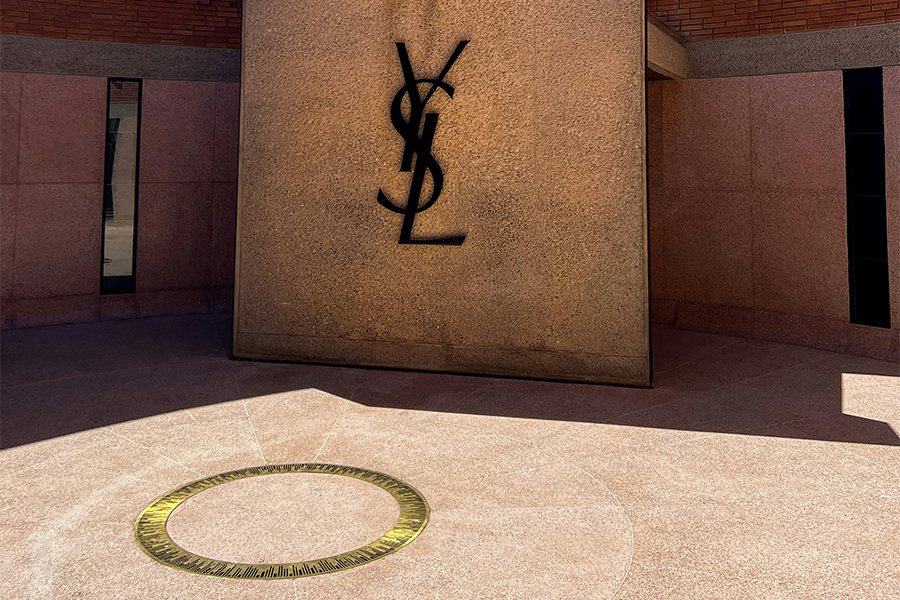
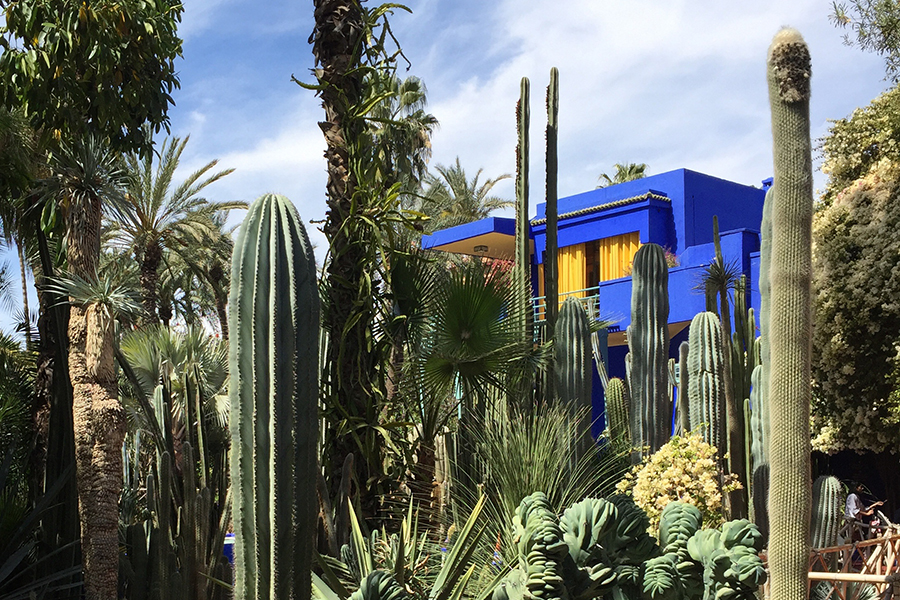
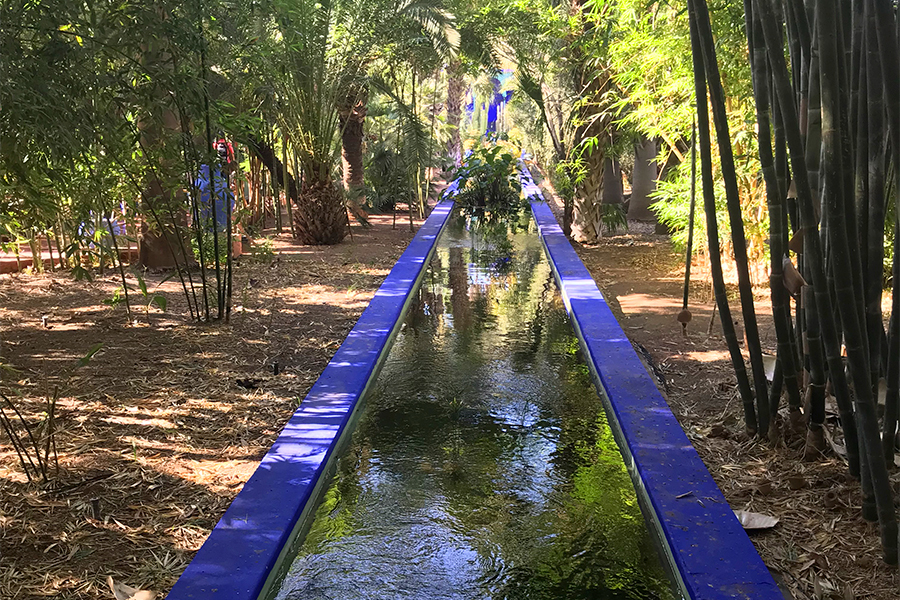
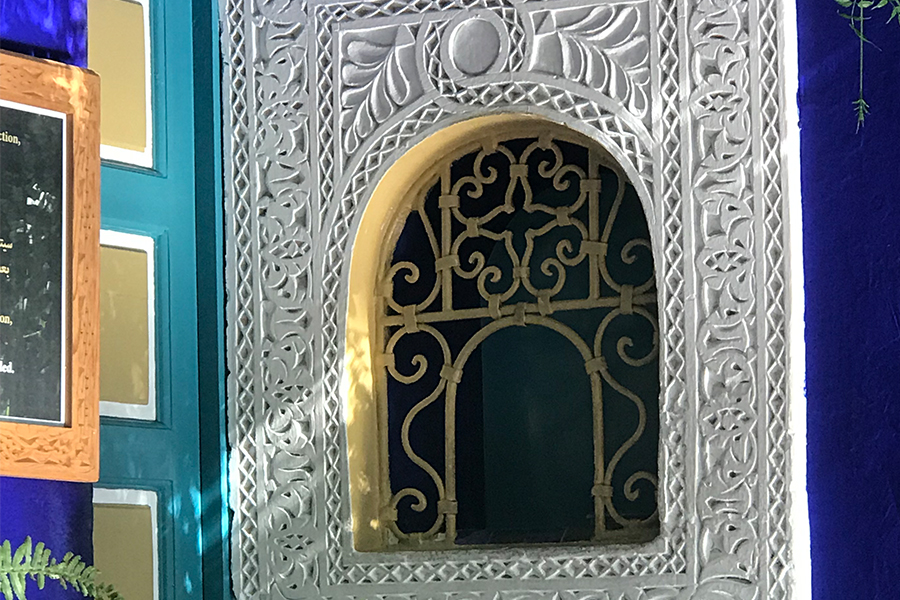
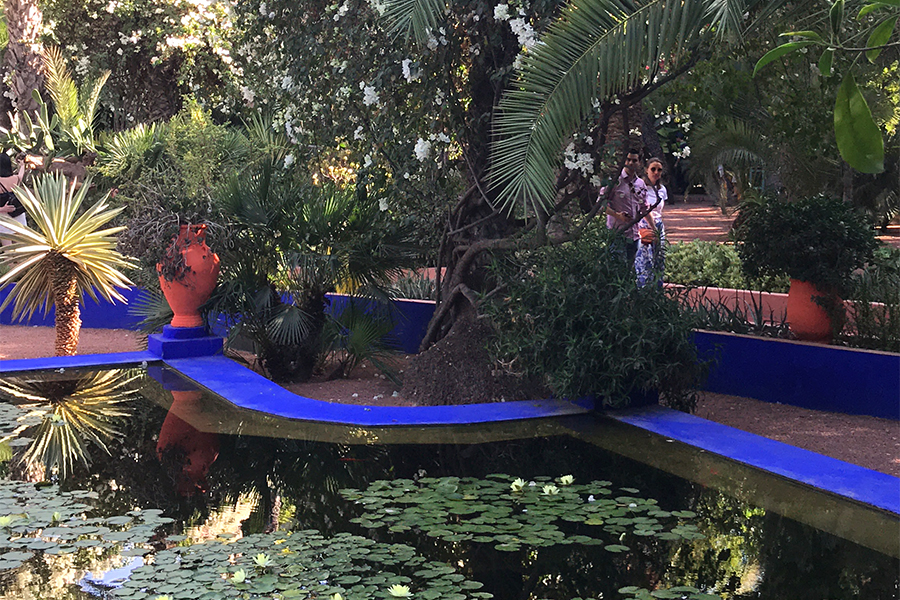
Located in Marrakech, the Jardin Majorelle is one of the city’s most iconic attractions. Created in the 1920s by French painter Jacques Majorelle, the garden features exotic plants, cacti, palms, and bamboo from around the world. Famous for its striking Majorelle Blue buildings, the garden offers peaceful pathways, water features, and a serene atmosphere. It also hosts the Berber Museum, showcasing Morocco’s indigenous culture. A must-visit site combining art, nature, and heritage.
Menara Gardens
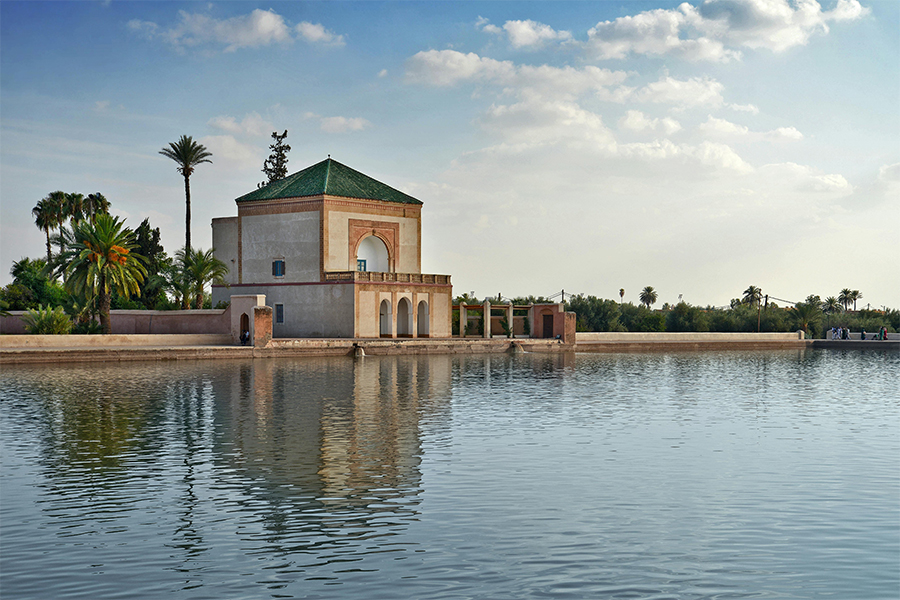
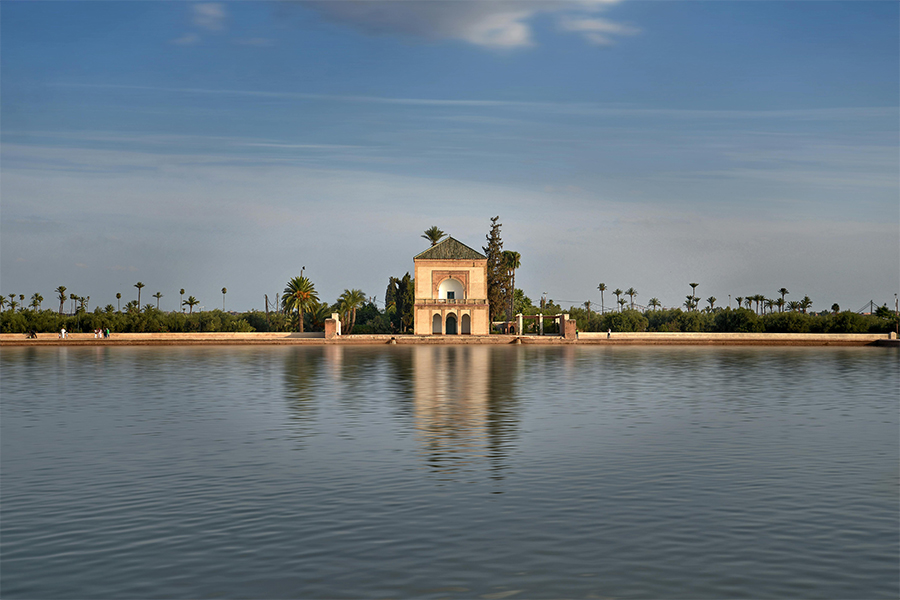
The Menara Gardens in Marrakech are a peaceful retreat located at the foot of the Atlas Mountains. Established in the 12th century by the Almohad dynasty, the gardens feature a large reflective basin surrounded by olive groves, creating a serene and picturesque setting. The highlight is the historic pavilion, which offers stunning views of the water and distant mountains. Originally designed for irrigation, the gardens now serve as a popular spot for relaxation and leisurely walks. Their tranquil atmosphere and breathtaking scenery make them a must-visit for nature lovers.
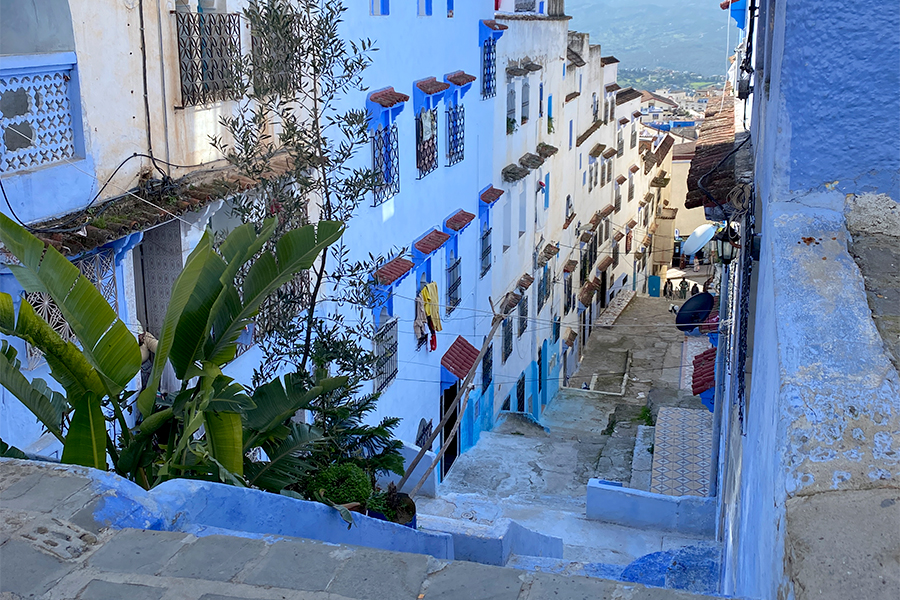
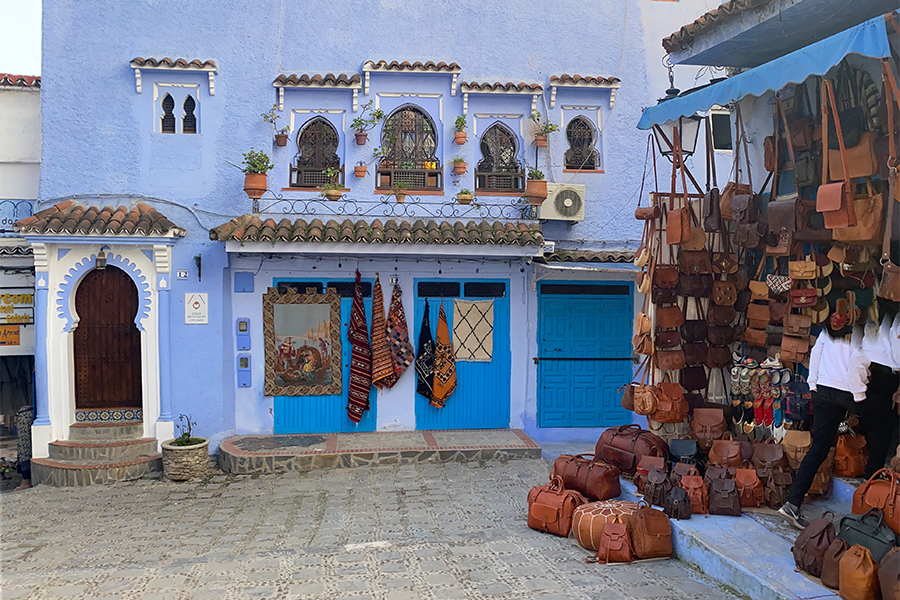
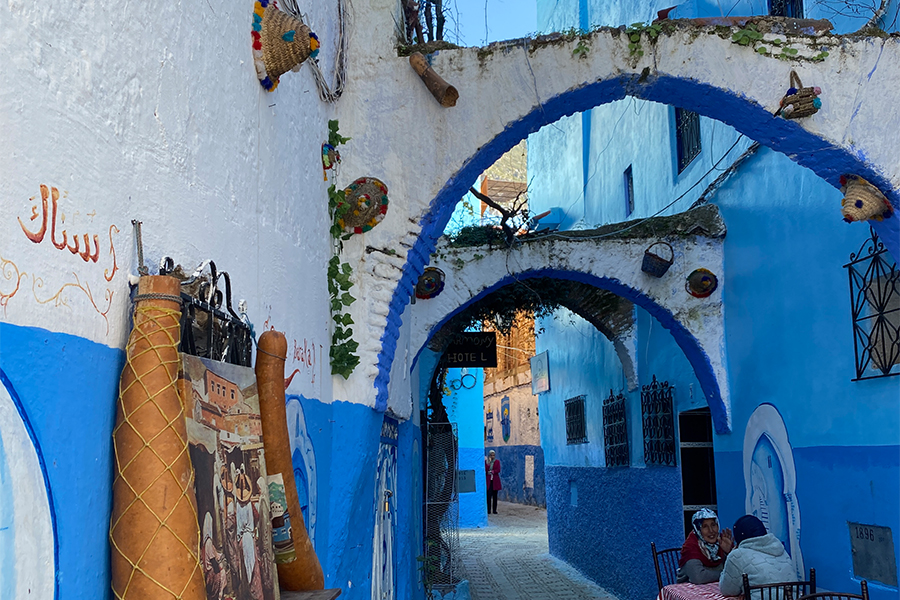
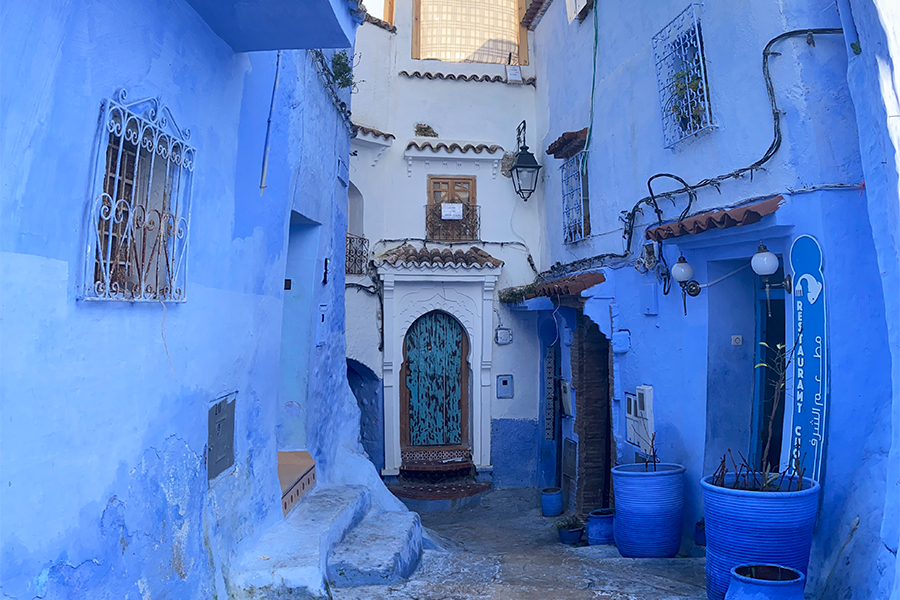
Chefchaouen – The Blue City
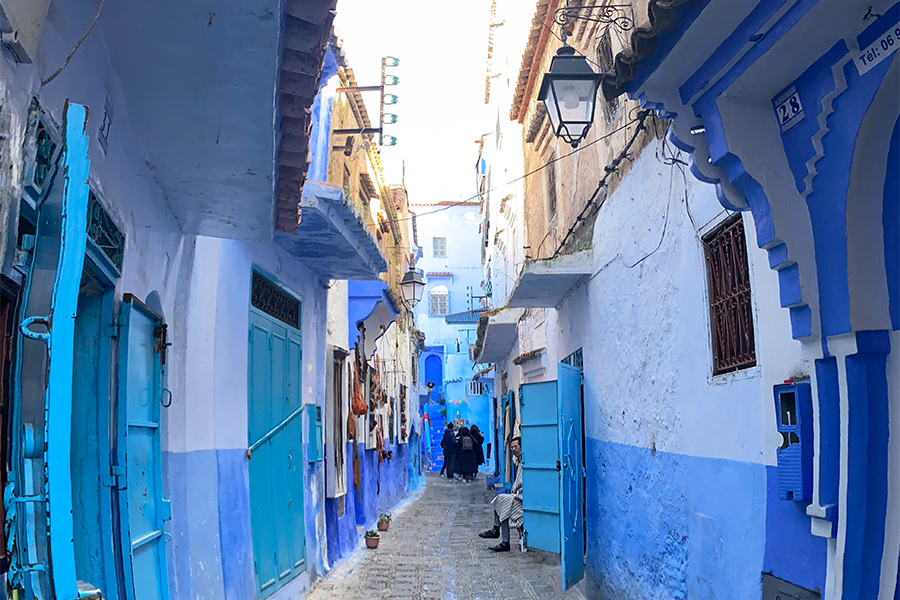
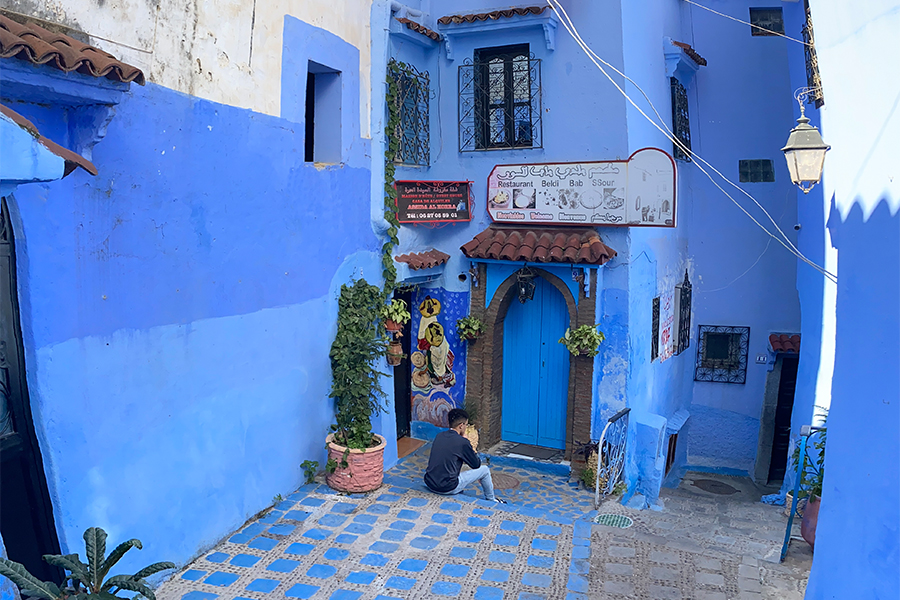
Nestled in the Rif Mountains, Chefchaouen is one of Morocco’s most picturesque destinations. Founded in 1471 by Moulay Ali Ben Moussa Ben Rached El Alami, the city was originally built as a fortress against Portuguese invasions. Today, it is world-famous for its blue-painted streets and houses, earning it the nickname “Blue Pearl of Morocco.” Chefchaouen offers a peaceful atmosphere, rich history, and exceptional photo opportunities for travelers.
Anima Garden – Artistic and Botanical Escape
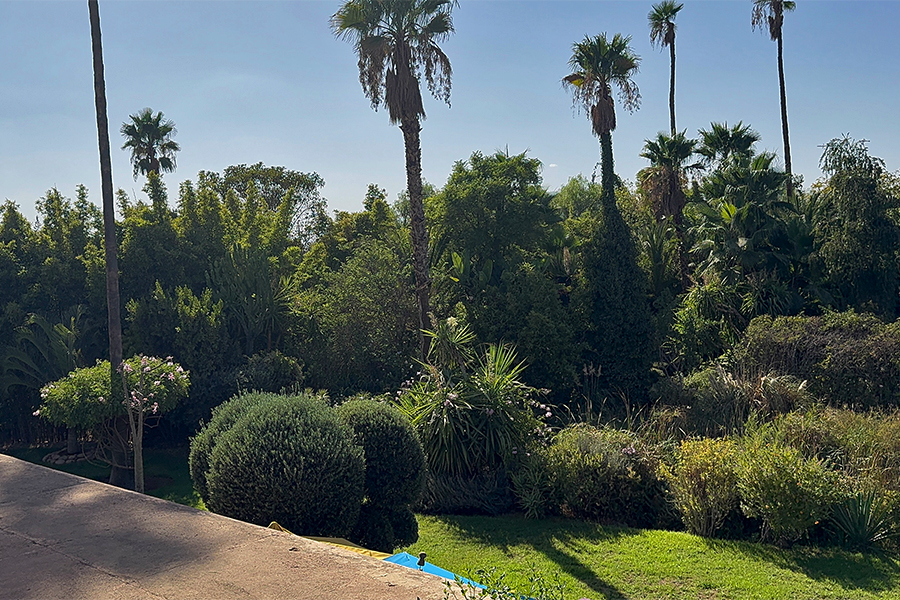
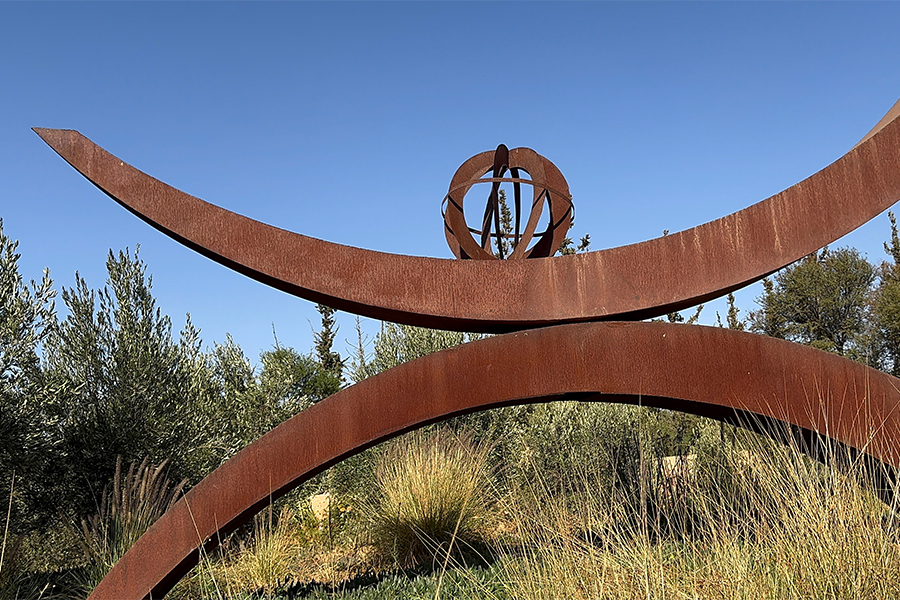
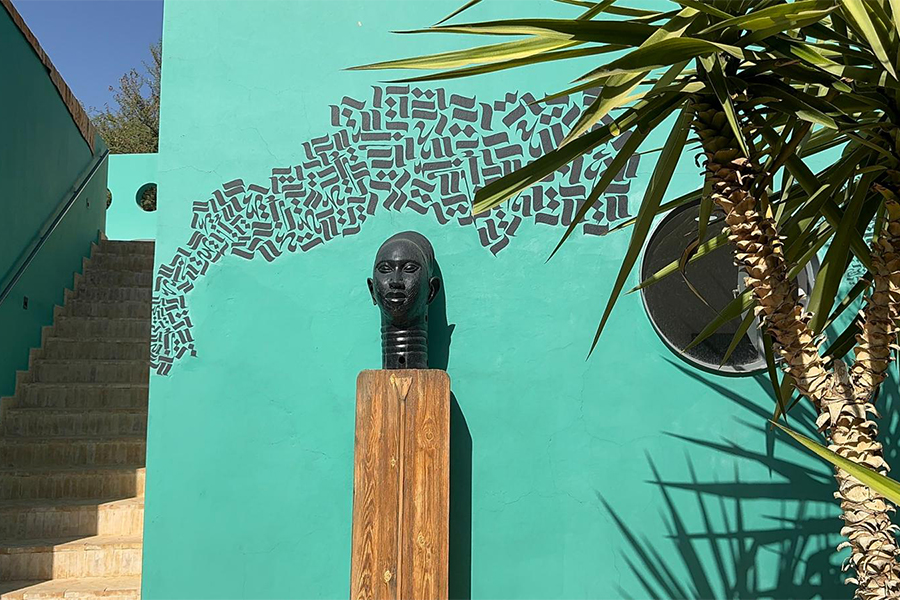
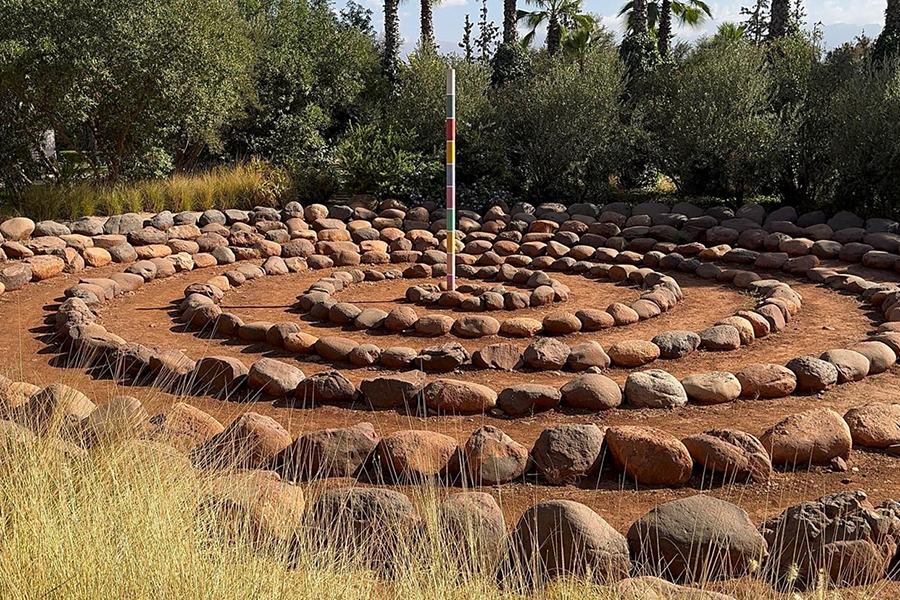
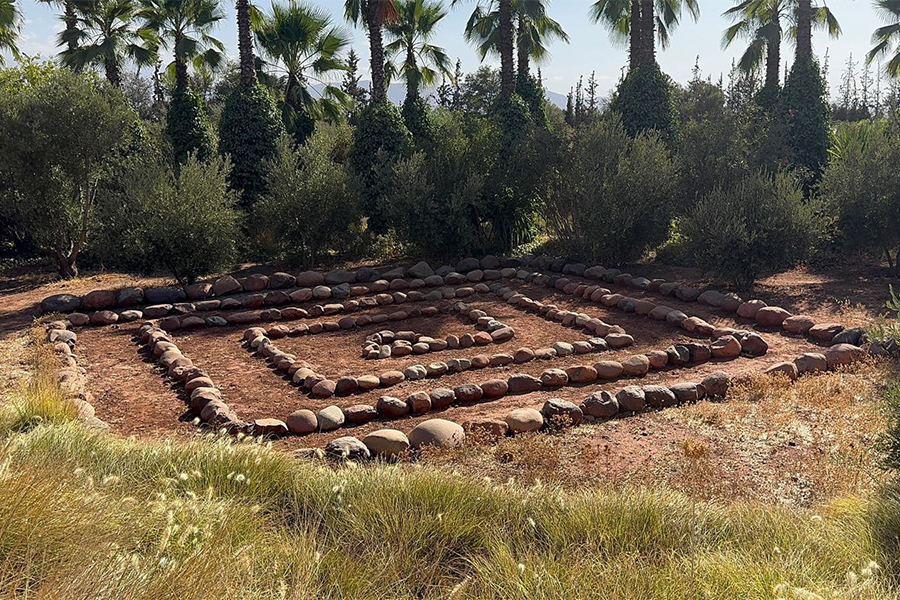
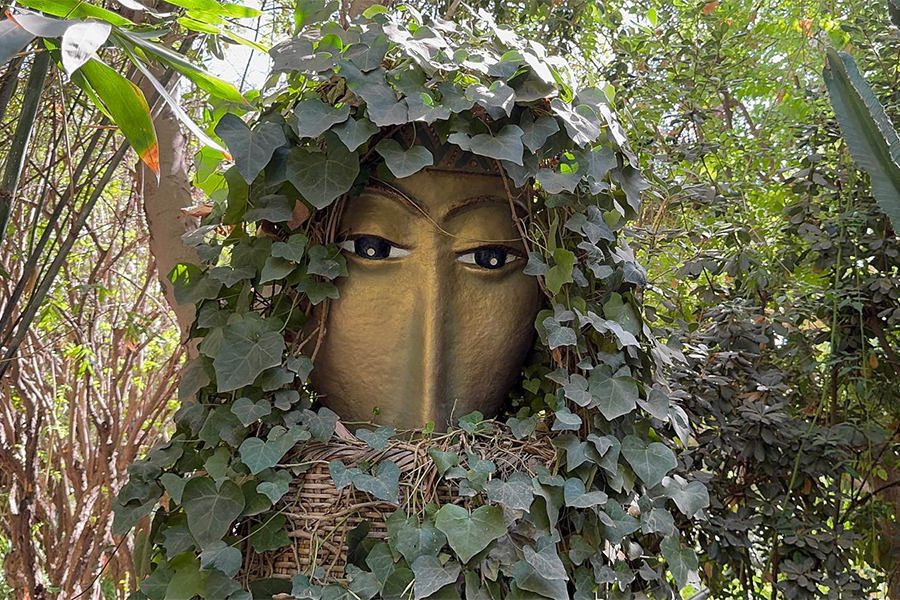
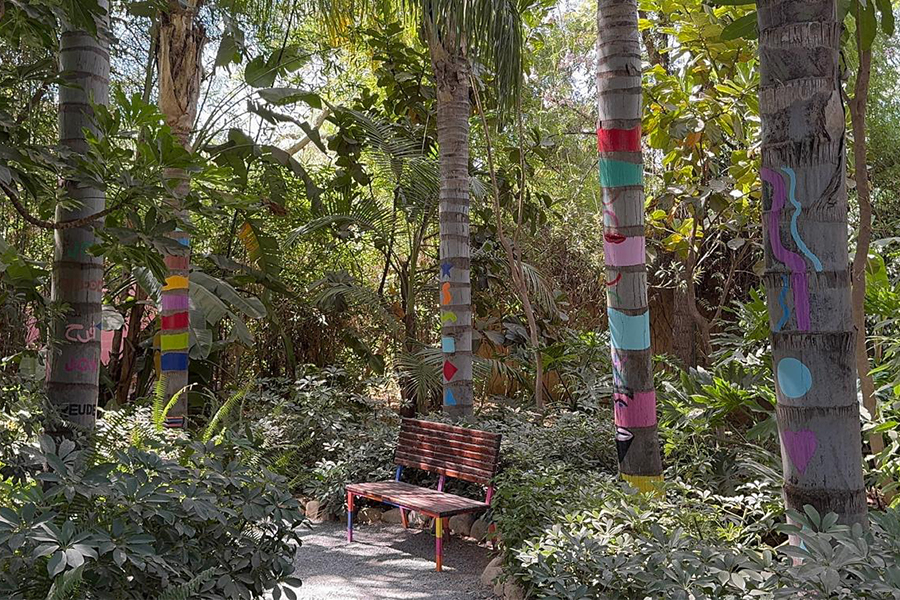
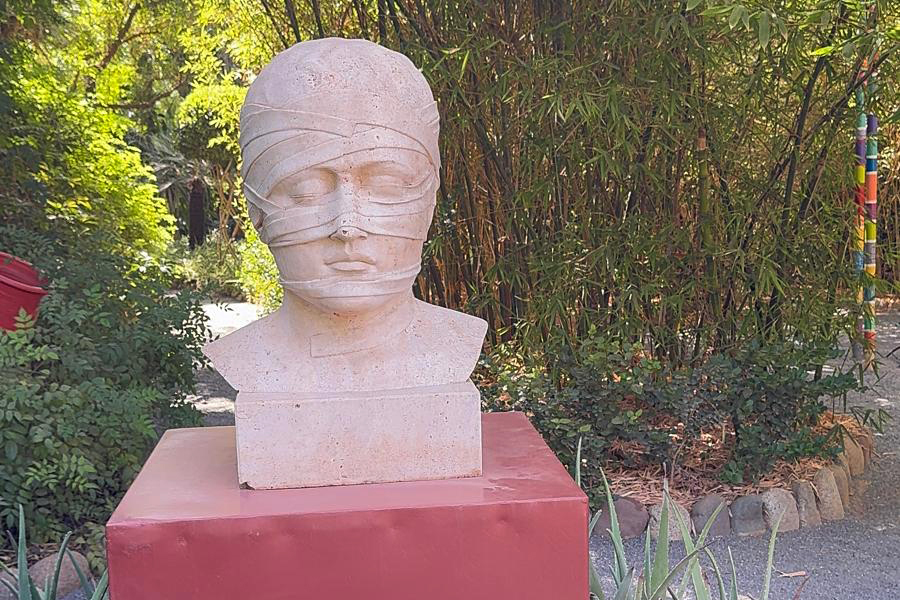
Created by internationally renowned artist André Heller, Anima Garden is one of the most enchanting attractions near Marrakech. Located on the road to the Ourika Valley, the garden blends lush vegetation, exotic flowers, palm trees, and contemporary art installations with panoramic views of the Atlas Mountains. Visitors explore artistic pathways filled with sculptures and poetic elements. Ideal for a half-day trip, Anima Garden combines art, nature, and serenity.

Bab Agnaou – Iconic Almohad City Gate
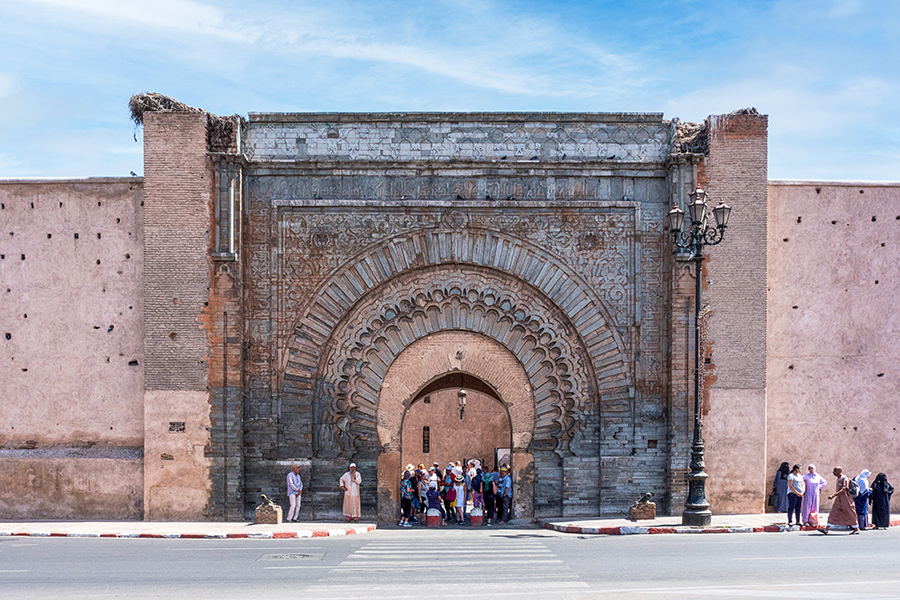
Bab Agnaou is one of the most impressive historical monuments in Marrakech and a masterpiece of Almohad architecture. Built in the 12th century, this monumental stone gate once served as the ceremonial entrance to the Kasbah and royal palaces. Its façade features intricate carvings, floral motifs, and Quranic inscriptions. Bab Agnaou remains a powerful symbol of Marrakech’s imperial past and is an essential stop for cultural sightseeing in the Kasbah district.


Bab Ghmat – Historic Gateway of Trade and Travel
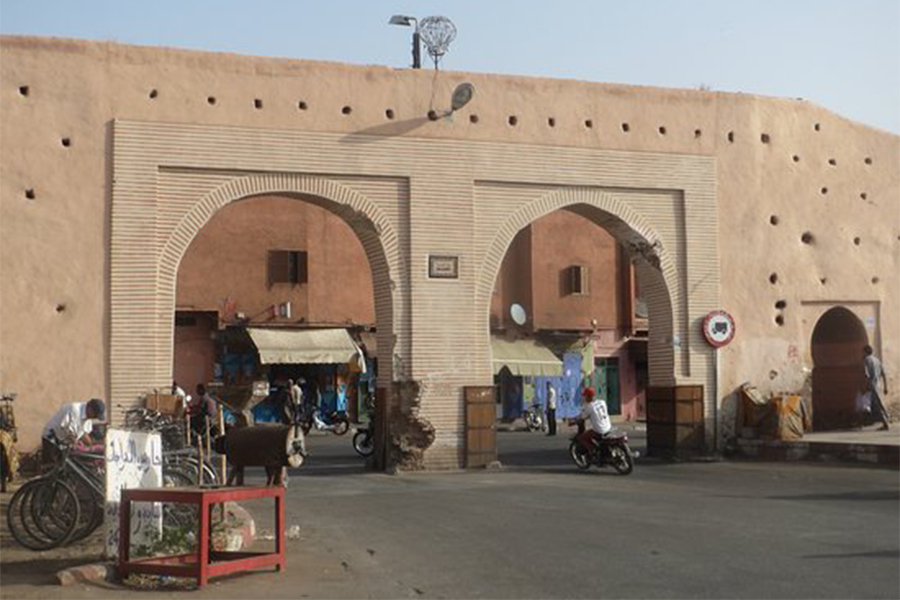
Bab Ghmat is one of the oldest gates of the Marrakech Medina and played a key role in the city’s commercial history. It was historically the main entrance for caravans arriving from the Atlas Mountains and eastern Morocco. Located near the Mellah district, this gate reflects Marrakech’s multicultural and trading heritage. Less crowded than other landmarks, Bab Ghmat offers an authentic experience for visitors seeking traditional neighborhoods and local life.
Saadian Tombs – Royal Heritage and Architecture
The Saadian Tombs are among the most significant historical sites in Marrakech, dating back to the 16th century. Hidden for centuries and rediscovered in 1917, they house the tomb of Sultan Ahmed al-Mansour and members of the royal family. The site is renowned for its marble columns, carved cedar wood, and colorful zellige tilework. Visiting the tombs offers a deep insight into Morocco’s imperial heritage.

Atlas Mountains – Nature, Culture, and Adventuree
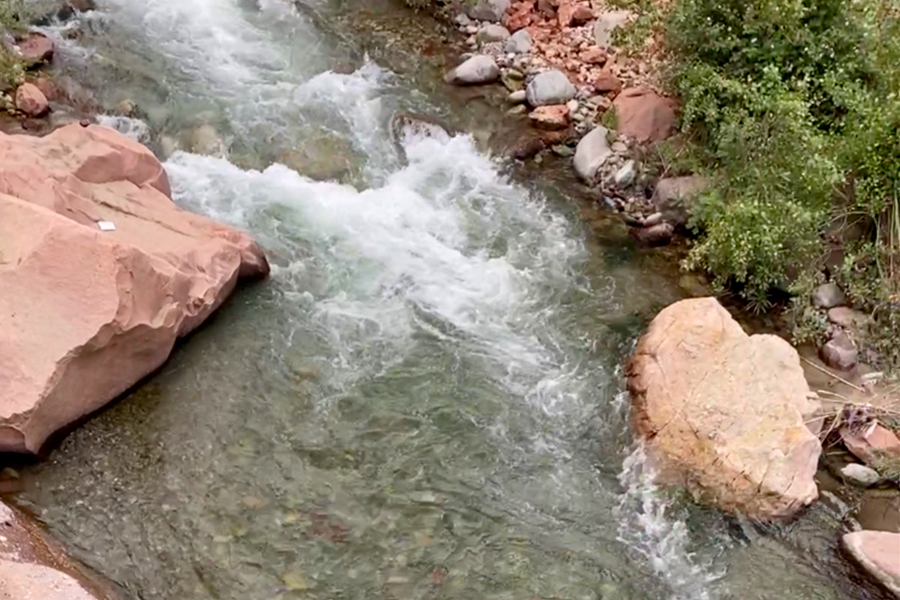
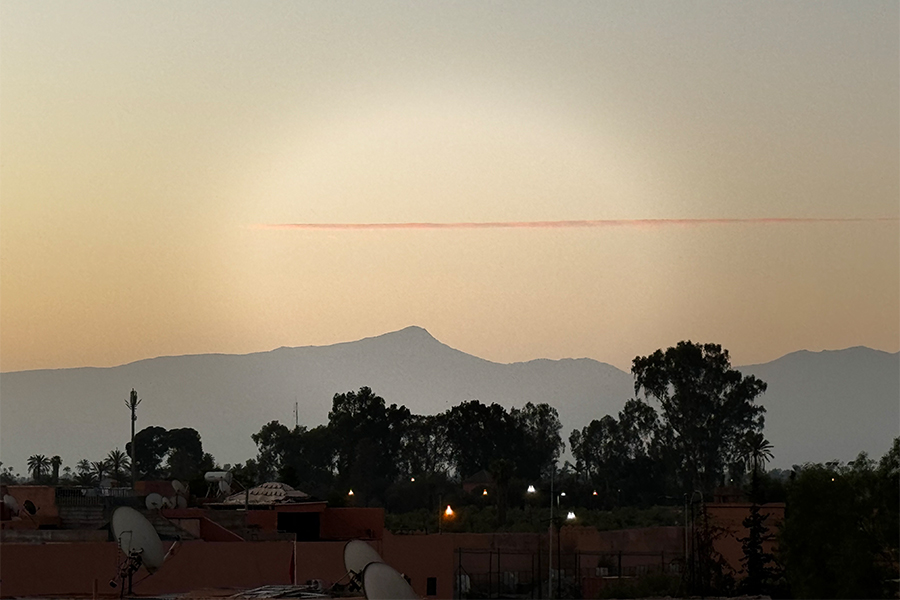
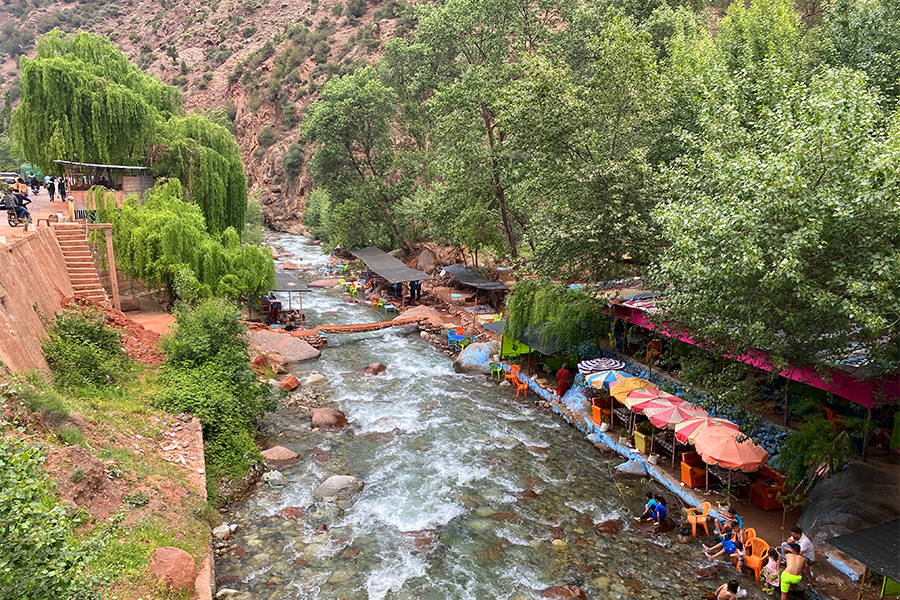
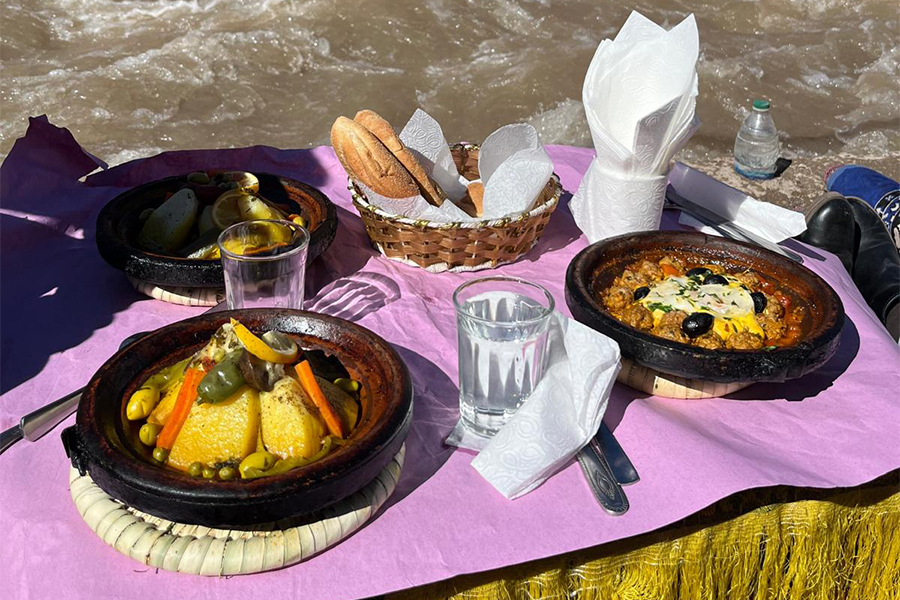
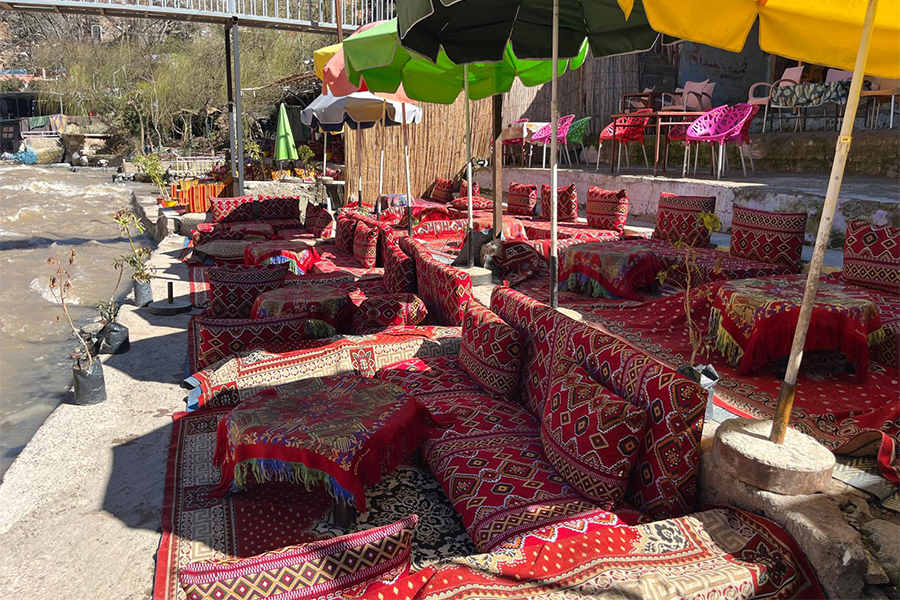
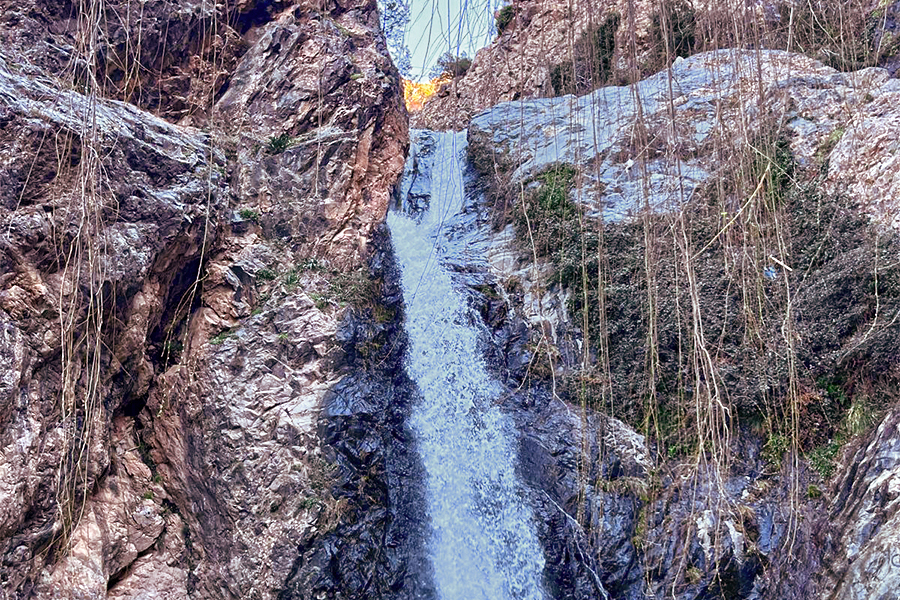
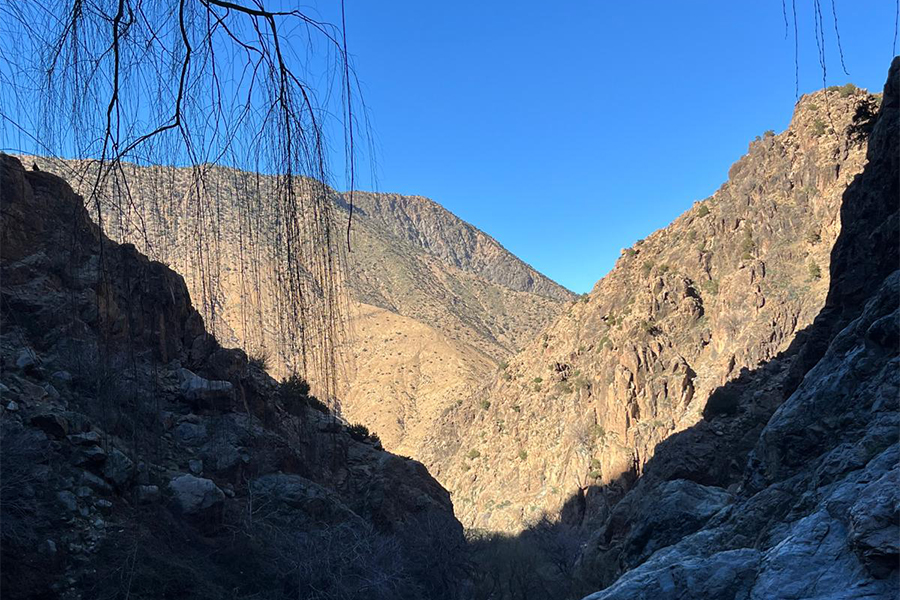
Located just outside Marrakech, the Atlas Mountains offer spectacular landscapes and authentic cultural experiences. The region is home to traditional Berber villages, terraced fields, green valleys, and dramatic mountain scenery. Visitors can enjoy hiking, guided excursions, mule treks, and scenic drives. Popular valleys such as Ourika, Asni, and Imlil provide refreshing escapes from the city. The Atlas Mountains are ideal for day trips combining nature, adventure, and culture.
Agafay Desert – Exclusive Desert Experience Near Marrakech
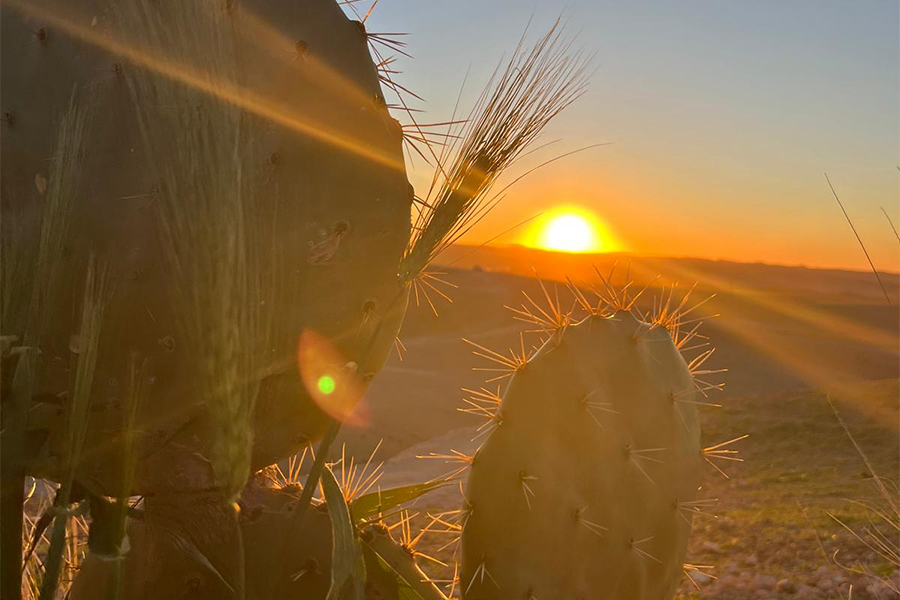
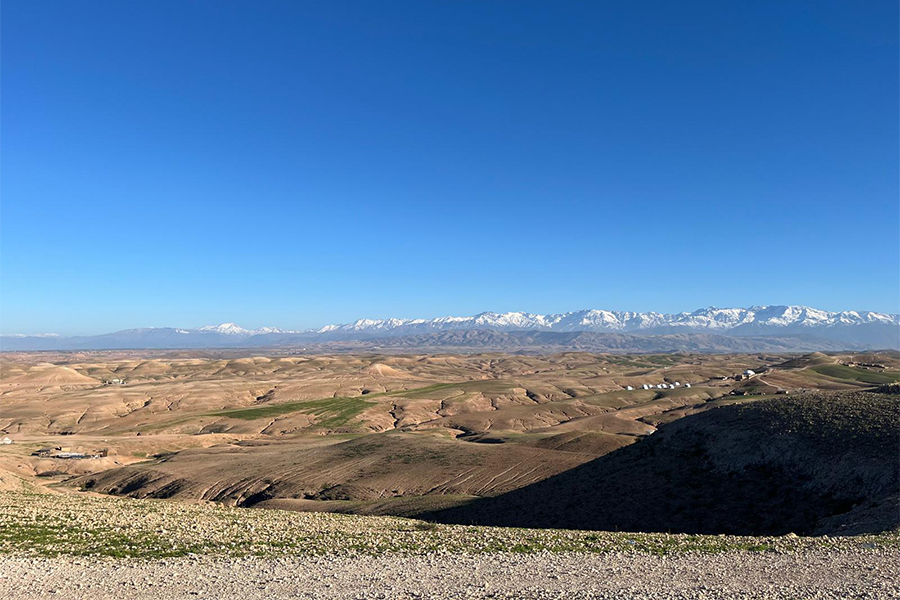
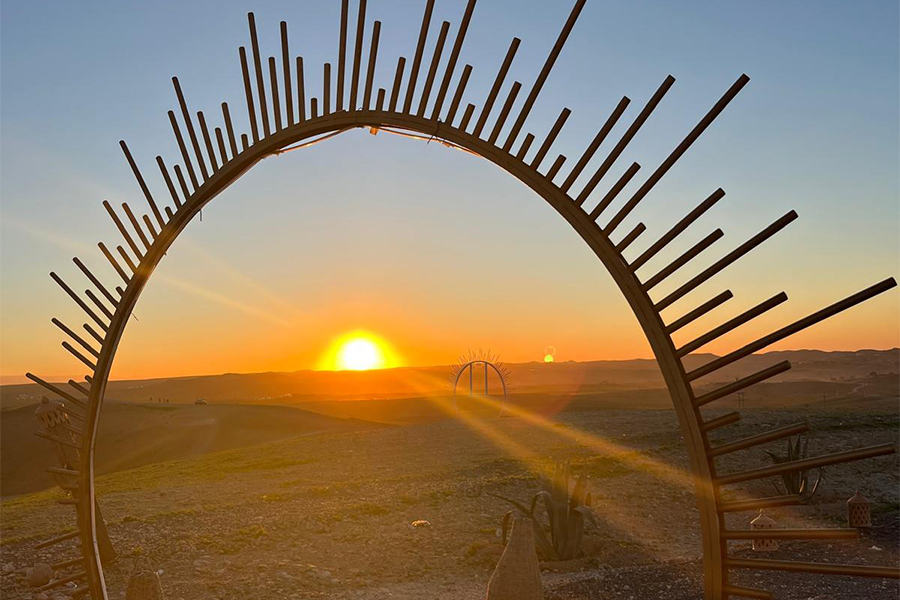
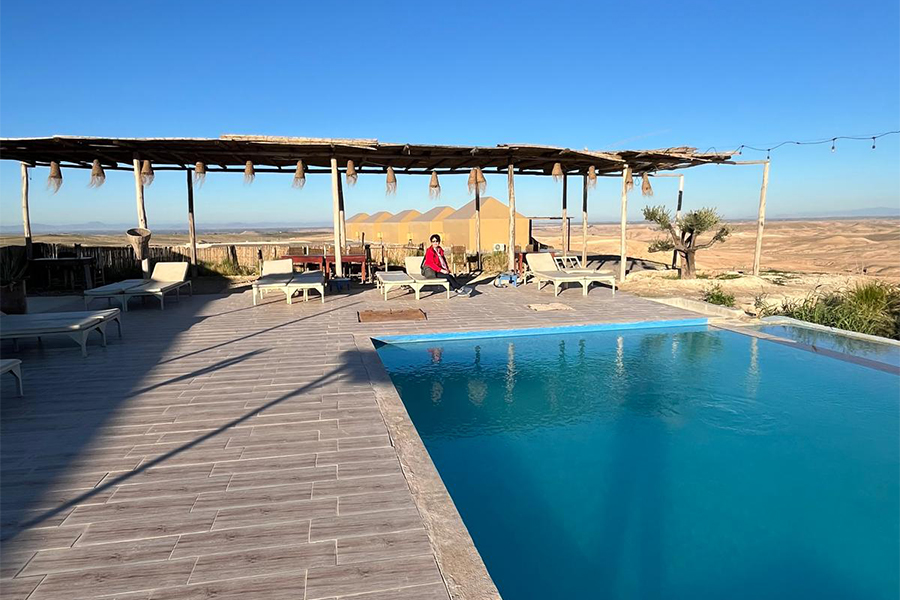
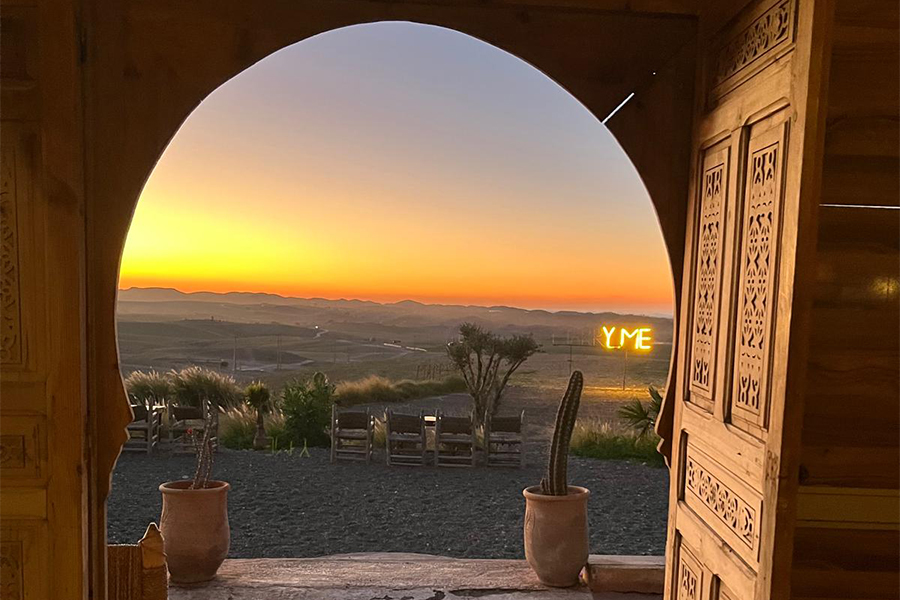
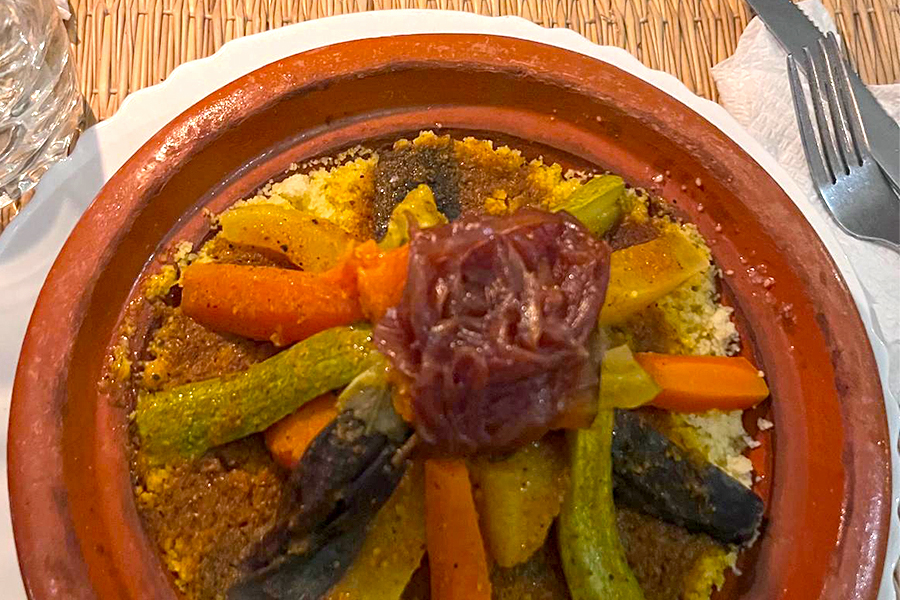
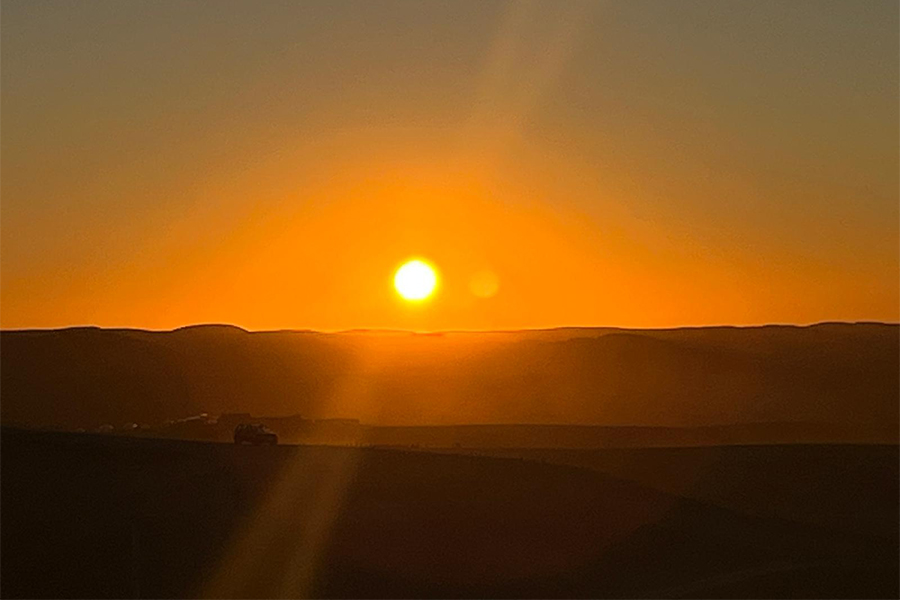
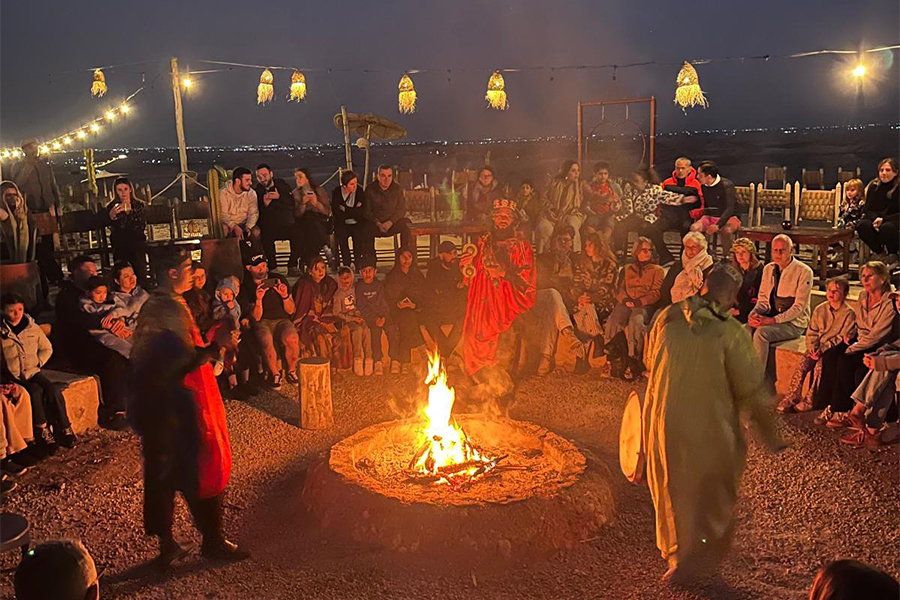
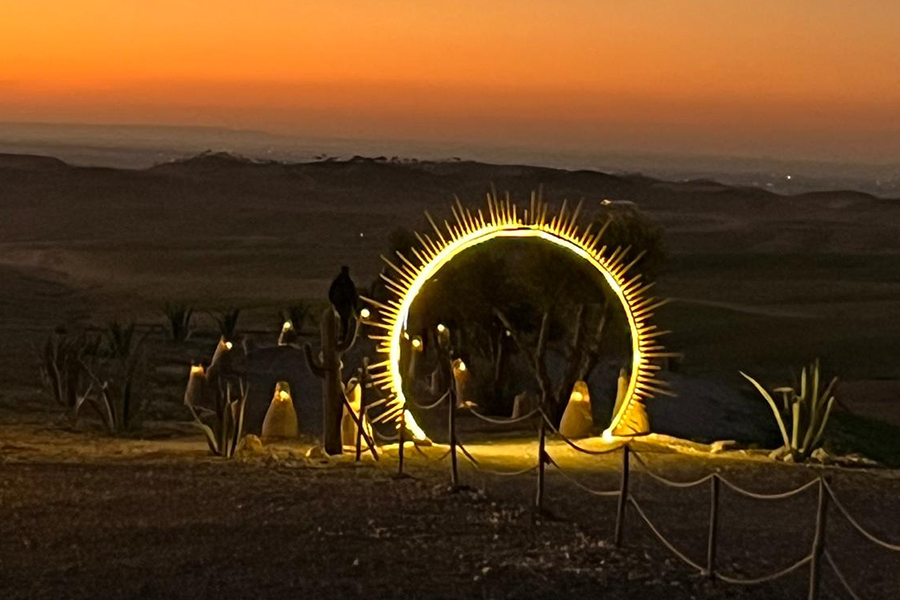
Located just 30 to 40 minutes from Marrakech, the Agafay Desert offers a unique rocky desert experience. Known for its lunar landscapes, rolling hills, and stunning views of the Atlas Mountains, Agafay is an excellent alternative to the Sahara. Visitors can enjoy camel rides, quad biking, luxury desert camps, traditional dinners, and unforgettable sunsets. Perfect for half-day excursions or overnight stays, Agafay combines adventure, comfort, and exclusivity.
Feel free to contact us for more information: